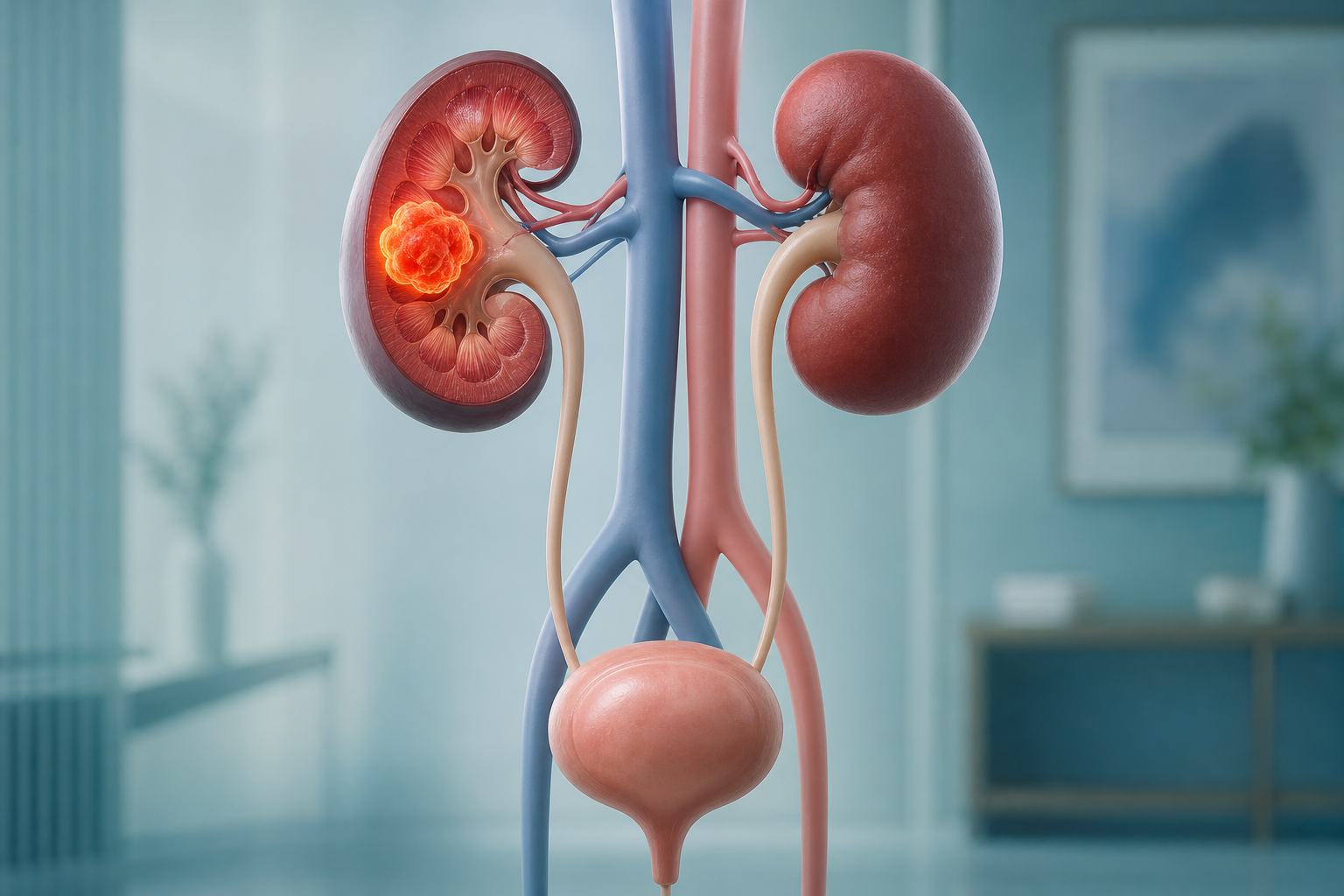
Recognising the early symptoms of kidney cancer is crucial for timely diagnosis and treatment. Awareness of these warning signs can lead to better outcomes and may save lives. As a consultant urological surgeon, Mr Ammar Alanbuki specialises in urology and urological oncology, with a focus on minimally invasive procedures and complex conditions. Understanding the early symptoms of kidney cancer warning can empower patients to take action promptly.
What Are the Common Early Symptoms of Kidney Cancer?
Identifying the early symptoms of kidney cancer can be challenging, as they often resemble other less severe health issues. However, being aware of these warning signs can prompt individuals to seek medical advice sooner. Here are some common early symptoms that may indicate kidney cancer:
- Blood in Urine: One of the most common symptoms is the presence of blood in urine, known as hematuria. This can appear as pink, red, or cola-coloured urine, affecting approximately 30% of patients.
- Persistent Pain: Individuals may experience a dull ache or pain in the lower back or side that does not subside, often indicating the need for medical evaluation.
- Unexplained Weight Loss: Sudden weight loss, often exceeding 5% of body weight without changes in diet or exercise, can be a significant warning sign.
- Fatigue: Persistent fatigue or a general feeling of being unwell may occur, impacting daily activities.
- Fever: Recurrent fevers without infection may indicate underlying health issues, including kidney cancer.
- Swelling: Swelling in the ankles or legs, which may suggest kidney problems, is also a noteworthy symptom.
Why Is It Important to Recognise These Symptoms Early?
Recognising early symptoms of kidney cancer is vital for several reasons:
- Early Detection: The earlier kidney cancer is diagnosed, the better the chances of successful treatment and recovery. Studies indicate that early-stage kidney cancer has a 90% five-year survival rate.
- Preventing Progression: Early intervention can prevent the cancer from spreading to other parts of the body, significantly improving prognosis.
- Improved Treatment Options: Early-stage kidney cancer may be treated with less aggressive methods, leading to better outcomes and reduced side effects.
What Causes Kidney Cancer?
While the exact cause of kidney cancer is not fully understood, several risk factors have been identified that may increase the likelihood of developing the disease:
- Smoking: Tobacco use significantly raises the risk of kidney cancer, with smokers being up to twice as likely to develop the disease compared to non-smokers.
- Obesity: Excess body weight is associated with a higher risk of kidney cancer, contributing to 30% of kidney cancer cases.
- Hypertension: High blood pressure can also contribute to kidney cancer risk, with studies suggesting a 50% increased risk in patients with hypertension.
- Family History: A family history of kidney cancer may increase an individual’s risk, highlighting the importance of genetic factors.
- Chronic Kidney Disease: Conditions that impair kidney function can elevate cancer risk significantly.
How Is Kidney Cancer Diagnosed?
If you experience any of the early symptoms of kidney cancer, it is important to consult a healthcare professional. The diagnostic process may involve:
- Medical History Review: Discussing symptoms and family history with a doctor is crucial for identifying potential risk factors.
- Physical Examination: A thorough examination to check for signs of kidney issues.
- Imaging Tests: Ultrasound, CT scans, or MRIs can help visualize the kidneys and detect abnormalities.
- Biopsy: In some cases, a biopsy may be performed to confirm the presence of cancer cells.
What Treatment Options Are Available for Kidney Cancer?
Treatment for kidney cancer depends on several factors, including the stage of cancer, the patient’s overall health, and preferences. Common treatment options include:
- Surgery: Surgical removal of the kidney (nephrectomy) is often the primary treatment for localized kidney cancer.
- Radiation Therapy: Used to kill cancer cells or shrink tumours, particularly in advanced cases.
- Targeted Therapy: Medications that specifically target cancer cells may be recommended, allowing for more effective treatment.
- Immunotherapy: This treatment boosts the body’s immune system to fight cancer more effectively, showing promising results.
What Role Does Minimally Invasive Surgery Play?
Minimally invasive surgery options, such as robotic-assisted surgery, have become increasingly popular for treating kidney cancer. These procedures offer several benefits:
- Less Pain: Patients typically experience less postoperative pain compared to traditional surgery.
- Shorter Recovery Time: Recovery is often quicker, allowing patients to return to normal activities sooner.
- Reduced Scarring: Smaller incisions lead to less visible scars, enhancing cosmetic outcomes.
How Can You Reduce Your Risk of Kidney Cancer?
While not all kidney cancers can be prevented, certain lifestyle changes may help lower your risk:
- Avoid Smoking: Quitting smoking can significantly reduce your risk of kidney cancer.
- Maintain a Healthy Weight: Eating a balanced diet and exercising regularly can help manage weight effectively.
- Control Blood Pressure: Monitoring and managing hypertension is essential for kidney health.
- Regular Check-ups: Regular health check-ups can help identify risk factors early and promote overall health.
When Should You Consult a Specialist?
If you are experiencing any early symptoms of kidney cancer, it is essential to consult a healthcare professional promptly. Mr Ammar Alanbuki, an experienced consultant urological surgeon, specialises in diagnosing and treating various urological conditions, including kidney cancer. He offers comprehensive assessments and tailored treatment options for patients in Brighton and nearby areas.
Conclusion
Recognising the early symptoms of kidney cancer is vital for effective treatment and better health outcomes. If you notice any warning signs, do not hesitate to seek medical advice. To find out whether early symptoms kidney cancer warning may be suitable for you, book a consultation with Mr Ammar Alanbuki today. For more information, visit NHS Kidney Cancer Information and learn more about your health.