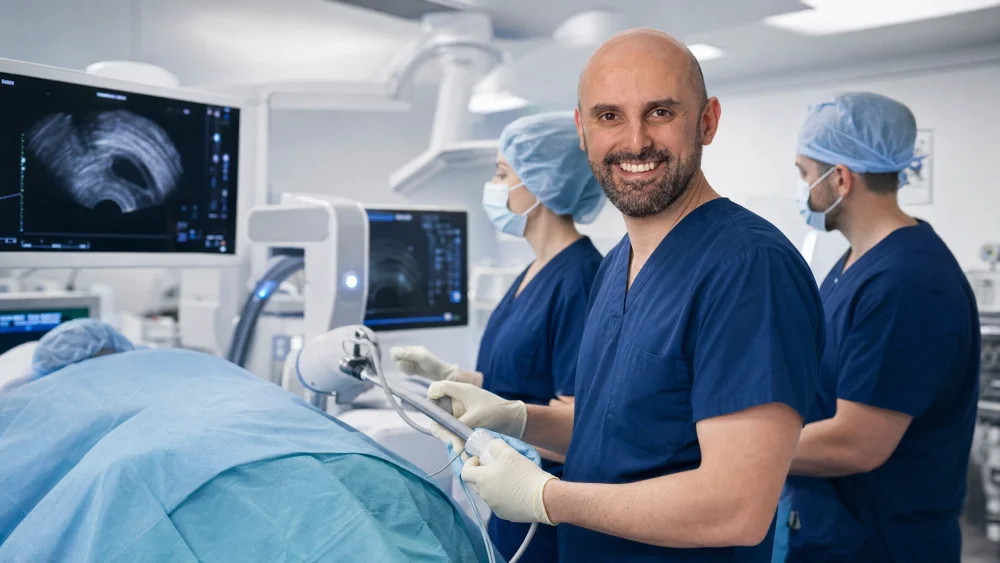
What this consultation covers
Bladder control problems including urgency, frequency, nocturia (night-time urination), and urinary leakage are among the most common reasons patients seek urological advice. Despite being widespread, they are frequently undertreated, as many patients feel embarrassed to discuss them or assume there is nothing that can be done. In fact, effective treatments exist for the vast majority of bladder control conditions.
Mr Alanbuki will carry out a thorough assessment including a bladder diary, urodynamics study (if appropriate), urine analysis, and clinical examination before presenting a personalised treatment plan. This may include lifestyle and behavioural strategies, pelvic floor physiotherapy, medication, botulinum toxin bladder injection, or surgical intervention.
Detailed symptom & bladder diary review
Non-surgical options first approach
Urodynamics assessment
Botulinum toxin bladder injection
Overactive vs obstructive cause differentiation
Surgical options where appropriate
Surgical & Procedural Options
Botulinum Toxin Bladder Injection
Botulinum toxin injected into the bladder wall relaxes the detrusor muscle, reducing urgency and leakage in patients with overactive bladder. Performed as a short outpatient procedure, effective for six to twelve months per treatment.
Sacral Neuromodulation (SNM)
A small implantable device delivers targeted electrical impulses to the sacral nerves that regulate bladder function, providing long-term relief for patients with refractory overactive bladder or urgency incontinence.
Surgical Correction of Obstruction
Where bladder control problems are caused by urinary obstruction — for example, an enlarged prostate surgical relief of the obstruction (TURP, UroLift or Aquablation) often resolves or significantly improves bladder symptoms.
Pelvic Floor Rehabilitation
Structured pelvic floor physiotherapy remains the cornerstone of conservative management and is recommended as first-line treatment before procedural or surgical intervention for most patients.
Frequently Asked Questions
Is bladder leakage normal as I get older?
Urinary incontinence is common but it is not a normal or inevitable part of ageing — and it should not simply be accepted. In the vast majority of cases, effective treatment is available. Mr Alanbuki will carry out a thorough assessment to identify the underlying cause and recommend the most appropriate management strategy.
What is an overactive bladder?
Overactive bladder (OAB) is a condition characterised by a sudden, strong urge to urinate that is difficult to control, sometimes associated with leakage (urge incontinence). It is caused by involuntary contractions of the bladder muscle and can be triggered by certain foods, fluids, or neurological factors. It responds well to bladder retraining, medication, and injections.
What does botulinum toxin injection into the bladder involve?
Botulinum toxin (Botox) injected into the bladder muscle relaxes the detrusor, reducing urgency and leakage in patients with overactive bladder who have not responded sufficiently to medication. It is performed under local anaesthetic in a short outpatient procedure and typically lasts six to twelve months before repeat treatment is required.