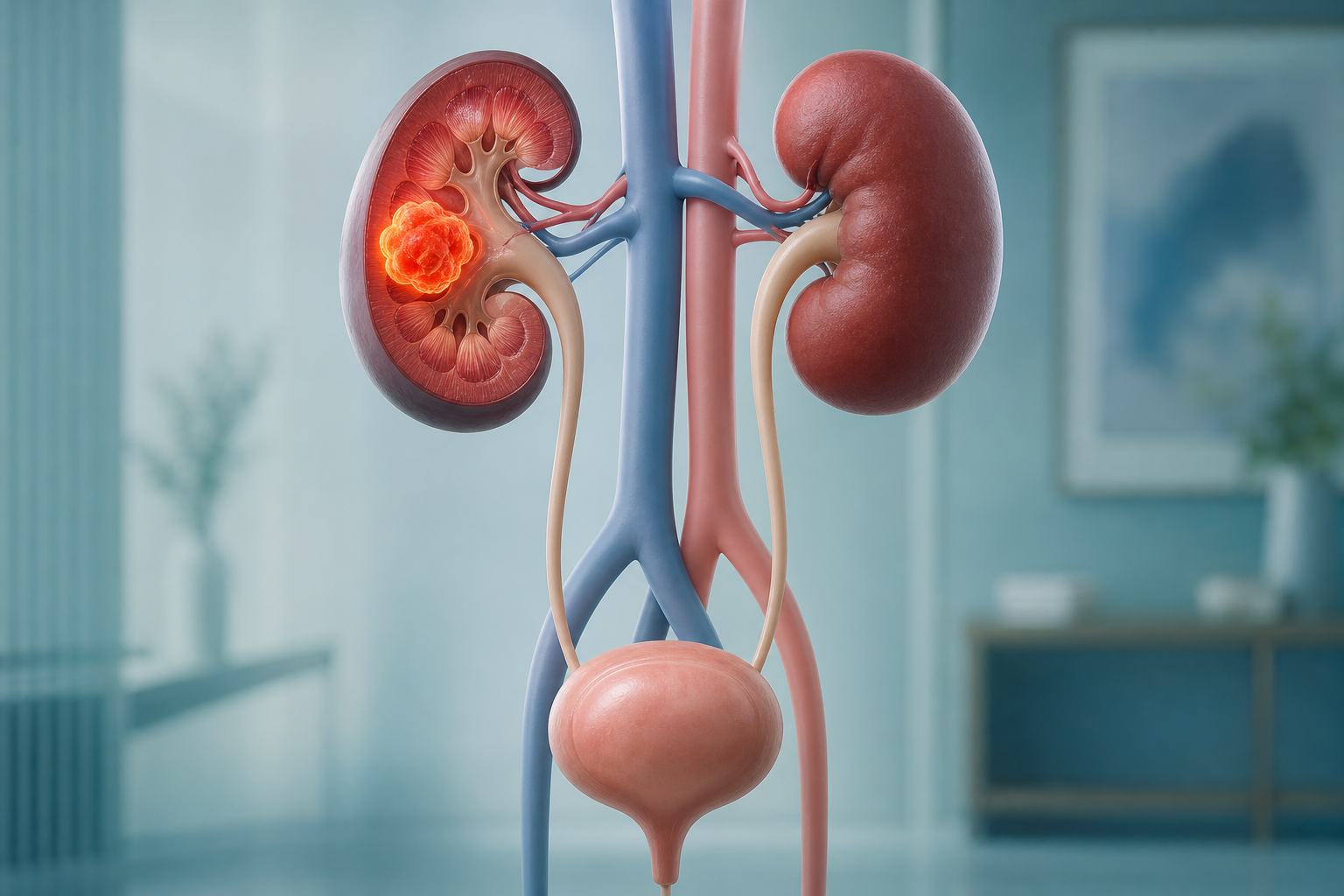
Laser surgery for kidney stones is one of the most effective and minimally invasive treatments available for removing stones from the urinary tract. If you have been diagnosed with a kidney stone and are exploring your treatment options, understanding how this procedure works can help you feel more prepared and confident ahead of any consultation.
Mr Ammar Alanbuki is a consultant urologist with specialist expertise in stone surgery, serving patients across London, Horley, and Brighton. With a focus on minimally invasive techniques, Mr Alanbuki offers laser stone surgery as part of a comprehensive range of urological treatments tailored to each patient’s individual needs.
What Is Laser Surgery for Kidney Stones?
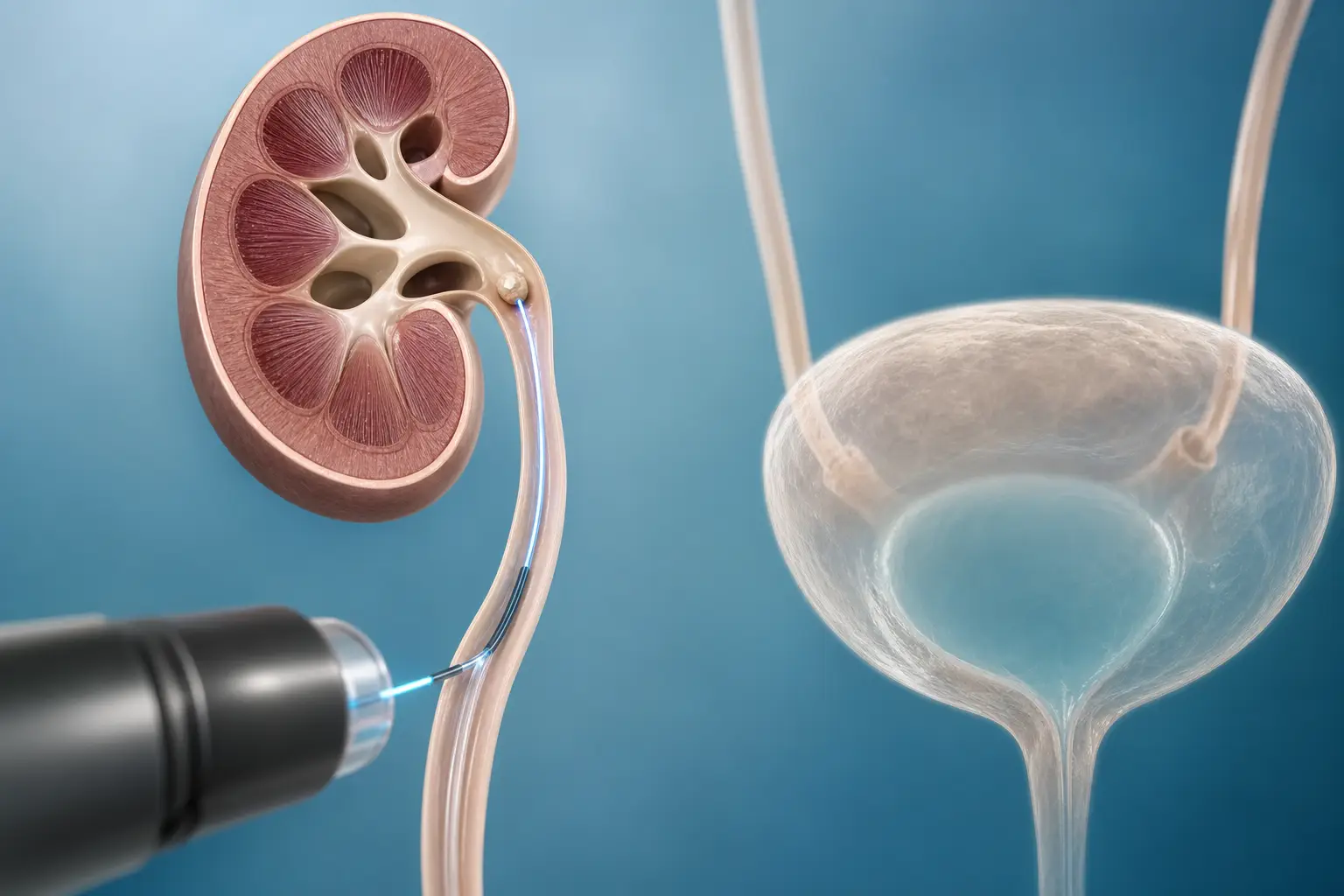
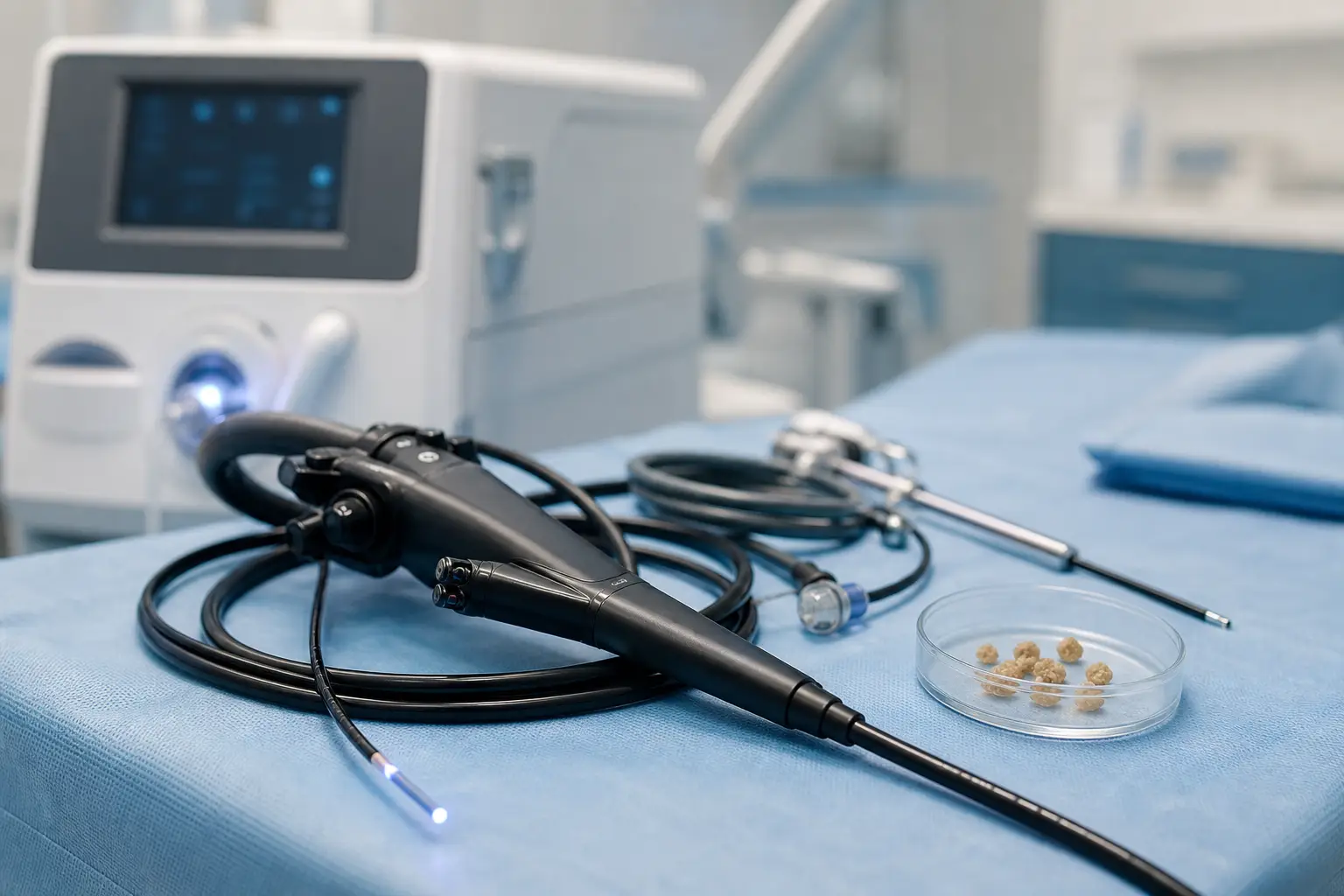
Laser surgery for kidney stones — most commonly performed as a procedure called ureteroscopy with laser lithotripsy — uses a thin, flexible telescope passed through the urethra and bladder to reach the stone. A laser fibre is then used to break the stone into smaller fragments or dust, which can pass naturally or be removed during the procedure.
This approach avoids the need for any external cuts or incisions, making it a popular choice for patients who are not suitable for, or prefer to avoid, more invasive surgery.
Who Might Need Laser Stone Surgery?
Not all kidney stones require surgical treatment. Smaller stones often pass on their own with adequate fluid intake and pain relief. However, laser surgery for kidney stones may be recommended when:
- The stone is too large to pass naturally
- The stone is causing significant pain or blocking urine flow
- There is an associated kidney infection
- The stone has not passed after a reasonable period of watchful waiting
- Kidney function is at risk
Your clinician will assess your individual situation, including the size, location, and composition of the stone, before recommending the most appropriate course of action.
How Does the Laser Stone Surgery Procedure Work?
Laser surgery for kidney stones is typically performed under general or spinal anaesthesia. Here is a general overview of what the procedure involves:
- Preparation: You will be assessed beforehand, which may include blood tests, urine tests, and imaging such as a CT scan to locate and measure the stone.
- Scope insertion: A thin ureteroscope is passed through the urethra and bladder, then guided up into the ureter or kidney where the stone is located.
- Laser fragmentation: A laser fibre is passed through the scope and used to break the stone into tiny fragments or fine dust.
- Stone removal: Fragments may be removed using a small basket device, or left to pass naturally in the urine.
- Stent placement: A temporary ureteric stent (a small tube) is sometimes placed to help the ureter heal and allow urine to drain freely. This is usually removed after a short period.
The procedure typically takes between 30 minutes and one hour, depending on the size and position of the stone.
What Type of Laser Is Used?
The most widely used laser for kidney stone surgery in the UK is the holmium laser, which is highly effective at fragmenting stones of varying compositions. Newer technologies, such as thulium fibre lasers, are also increasingly available and may offer additional precision. According to BAUS (British Association of Urological Surgeons), ureteroscopy with laser lithotripsy has a high success rate for treating stones in the kidney and ureter.
What Is Recovery Like After Laser Surgery for Kidney Stones?
One of the key advantages of laser surgery for kidney stones is the relatively straightforward recovery compared to open surgery. Most patients are able to go home the same day or the following morning.
What Can You Expect in the Days After Surgery?
It is common to experience some mild discomfort, urinary frequency, or a slight burning sensation when passing urine in the first few days. If a ureteric stent has been placed, you may feel some bladder discomfort or back pain until it is removed. Your clinician will advise on pain relief and what symptoms to monitor.
General recovery guidance may include:
- Drinking plenty of fluids to help flush the urinary tract
- Taking any prescribed medication as directed
- Avoiding strenuous activity for a short period
- Attending any follow-up appointments to confirm stone clearance
Most people return to normal daily activities within a few days to a week, though this can vary depending on individual circumstances.
Are There Any Risks Associated With Laser Stone Surgery?
As with any surgical procedure, laser surgery for kidney stones carries some potential risks. These are generally uncommon but may include:
- Urinary tract infection
- Bleeding
- Injury to the ureter (rare)
- Incomplete stone clearance, which may require a further procedure
- Discomfort related to a ureteric stent
Your consultant will discuss the potential risks and benefits with you in detail before any procedure, so that you can make a fully informed decision about your care.
Can Kidney Stones Come Back After Laser Surgery?
Laser surgery for kidney stones treats the existing stone but does not prevent new stones from forming. Depending on the type of stone identified, your clinician may recommend dietary changes, increased fluid intake, or further investigation to reduce the risk of recurrence. The NHS guidance on kidney stone prevention outlines several lifestyle measures that may help lower the risk of future stones.
Finding a Kidney Stone Specialist in London, Horley, or Brighton
If you have been diagnosed with a kidney stone or are experiencing symptoms such as severe flank pain, blood in the urine, or recurrent urinary infections, it is important to seek specialist advice promptly. Mr Ammar Alanbuki offers expert assessment and laser stone surgery for patients across London, Horley, and Brighton.
If you are experiencing sudden, severe pain, fever, or are unable to pass urine, please seek urgent medical attention immediately.
Ready to Find Out More?
Laser surgery for kidney stones is a well-established, minimally invasive treatment that can offer effective relief with a relatively quick recovery. To find out whether laser stone surgery may be suitable for you, book a consultation with Mr Ammar Alanbuki to discuss your symptoms, diagnosis, and the treatment options available to you.