Kidney cancer, also known as renal cancer, is a condition that can be difficult to detect in its early stages. Understanding the cancer of kidneys signs and symptoms is crucial for early diagnosis and effective treatment. In this article, we will delve into the various signs and symptoms associated with kidney cancer, the risk factors involved, and what you should do if you experience any concerning changes in your health.
What is Kidney Cancer?
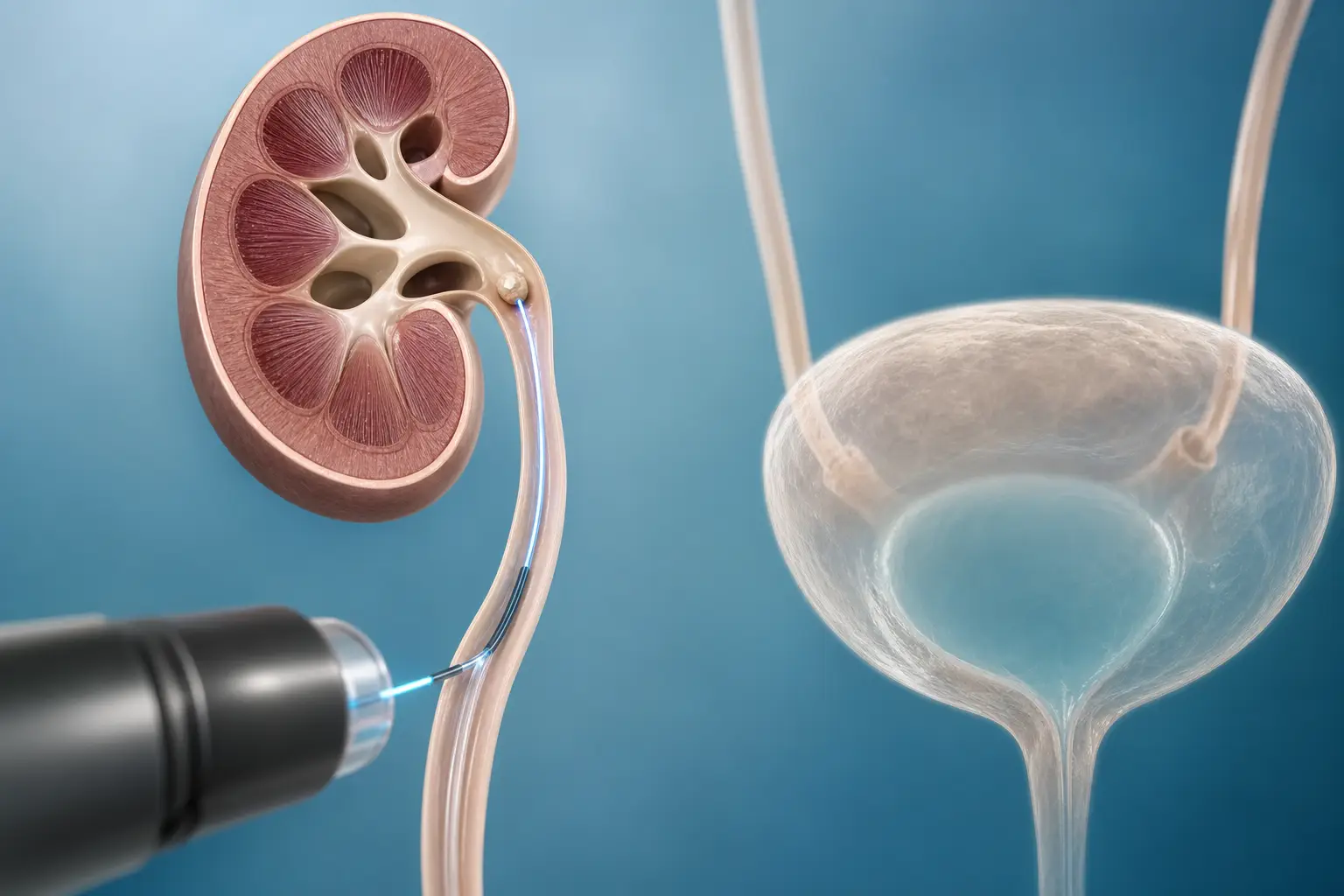
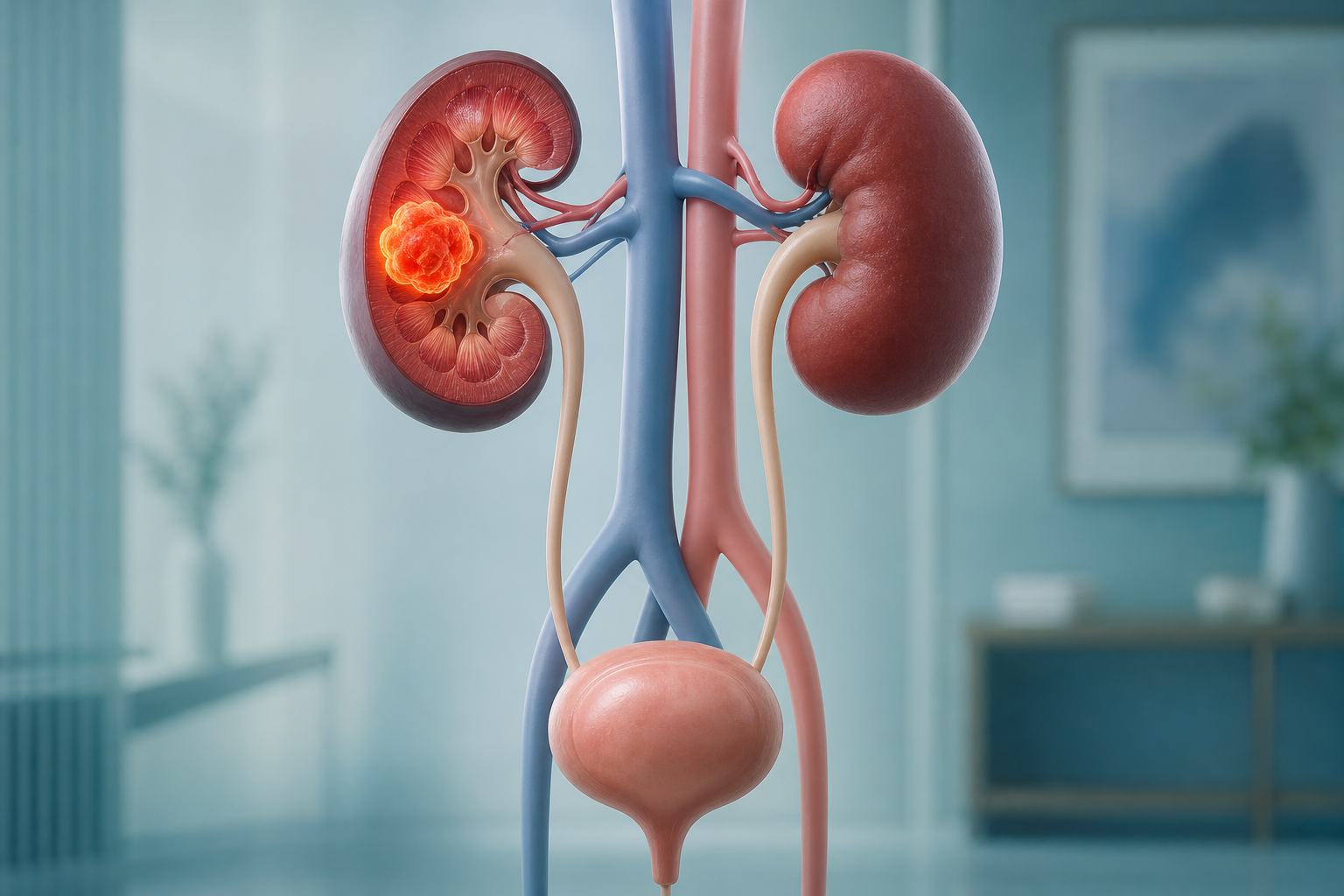
Kidney cancer occurs when malignant cells form in the tissues of the kidneys. The kidneys are two bean-shaped organs located on either side of the spine, responsible for filtering blood, producing urine, and regulating blood pressure. The most common type of kidney cancer in adults is renal cell carcinoma, which accounts for approximately 85% of cases. Other types include transitional cell carcinoma and Wilms’ tumour, which primarily affects children.
Common Signs and Symptoms of Kidney Cancer
Recognising the cancer of kidneys signs and symptoms is essential for timely medical intervention. While some individuals may experience no symptoms in the early stages, others may notice various changes in their health. Here are some of the most common signs and symptoms:
1. Blood in Urine (Hematuria)
One of the most significant indicators of kidney cancer is the presence of blood in the urine, known as hematuria. This may appear as pink, red, or brown urine. It is important to note that hematuria can also be caused by other conditions, such as urinary tract infections or kidney stones. However, if you notice any changes in the colour of your urine, it is crucial to consult a healthcare professional.
2. Persistent Pain in the Side or Lower Back
Patients with kidney cancer often report persistent pain in the side or lower back, which may be dull or sharp. This pain may not respond to usual pain relief methods and can be a significant indicator that something is wrong. Unlike typical back pain, this discomfort is often localized and may worsen over time.
3. Unexplained Weight Loss
Unintentional weight loss is another common symptom associated with kidney cancer. If you find yourself losing weight without making any changes to your diet or exercise routine, it could be a sign of an underlying health issue, including kidney cancer. This weight loss may be accompanied by a loss of appetite.
4. Fatigue and Weakness
Many patients with kidney cancer report persistent fatigue and a general feeling of weakness. This can be due to several factors, including the body’s response to cancer, anaemia, or the metabolic changes that occur with the disease. If you are experiencing ongoing fatigue that affects your daily activities, it is essential to seek medical advice.
5. Fever and Night Sweats
Fever and night sweats, particularly when accompanied by other symptoms, can also indicate the presence of kidney cancer. These symptoms may arise due to the body’s immune response to the cancer cells. If you experience unexplained fevers that persist over time, it is advisable to consult a healthcare provider.
6. Swelling in the Abdomen or Flank Area
As the tumour grows, it may lead to swelling in the abdomen or flank area. This can manifest as a noticeable lump or a feeling of fullness. If you notice significant swelling or discomfort in your abdomen, it is important to get it checked by a medical professional.
7. Changes in Urination
Changes in urination patterns, such as increased frequency, urgency, or pain during urination, can also be signs of kidney cancer. These symptoms may mimic those of a urinary tract infection, so it is essential to seek medical evaluation if these changes persist.
Risk Factors for Kidney Cancer
While the exact cause of kidney cancer remains unknown, several risk factors may increase an individual’s likelihood of developing the disease. Understanding these risk factors can help in early detection and prevention.
- Smoking: Tobacco use significantly increases the risk of kidney cancer.
- Obesity: Excess body weight is associated with a higher risk of developing kidney cancer.
- High Blood Pressure: Hypertension is linked to an increased risk of renal cancer.
- Family History: A family history of kidney cancer may suggest a genetic predisposition.
- Chronic Kidney Disease: Conditions that affect kidney function may elevate cancer risk.
- Exposure to Certain Chemicals: Prolonged exposure to substances like asbestos and cadmium can increase risk.
What to Do If You Experience Symptoms
If you experience any of the cancer of kidneys signs and symptoms listed above, it is important to seek medical attention promptly. Here’s what you should do:
- Schedule an Appointment: Contact your healthcare provider to discuss your symptoms and concerns.
- Prepare for Your Visit: Document your symptoms, including their duration and severity, to provide your doctor with detailed information.
- Be Honest About Your Medical History: Inform your doctor about any relevant family history and lifestyle factors.
Diagnosis and Treatment of Kidney Cancer
Diagnosis typically involves imaging tests such as ultrasound, CT scans, or MRI to visualise the kidneys and detect any abnormalities. A biopsy may also be performed to confirm the presence of cancerous cells.
Treatment options for kidney cancer vary depending on the stage of the disease and the patient’s overall health. Common treatment modalities include:
- Surgery: Removal of the affected kidney or tumour may be necessary.
- Radiation Therapy: This may be used to target and shrink tumours.
- Chemotherapy: In some cases, chemotherapy may be recommended.
- Targeted Therapy: Newer treatments that specifically attack cancer cells may be an option.
Frequently Asked Questions (FAQs)
1. Can kidney cancer be prevented?
While there is no guaranteed way to prevent kidney cancer, maintaining a healthy lifestyle, managing blood pressure, and avoiding smoking can lower your risk.
2. At what age does kidney cancer typically occur?
Kidney cancer can occur at any age, but it is more commonly diagnosed in adults over the age of 50. In fact, about 60% of kidney cancer cases are diagnosed in individuals aged 65 or older.
3. Is kidney cancer hereditary?
While most cases of kidney cancer are sporadic, some hereditary syndromes can increase the risk. If you have a family history, discuss this with your doctor.
4. What is the survival rate for kidney cancer?
The survival rate for kidney cancer can vary based on the stage at diagnosis, but early detection generally leads to better outcomes. According to statistics, the five-year survival rate for localized kidney cancer can be as high as 93%.
Conclusion
Understanding the cancer of kidneys signs and symptoms is vital for early detection and treatment. If you experience any concerning symptoms, don’t hesitate to seek medical advice. Early intervention can significantly improve prognosis and quality of life. For more information on kidney cancer and its treatment, visit NHS Kidney Cancer. Stay informed and proactive about your health, and consult with a specialist like Mr Ammar Alanbuki in Brighton for expert guidance on kidney health.