Contact Details
Clinic Hours
In this blog, I will share my personal experience and the steps I took to understand how I found out I had kidney cancer.

In this blog, I will share my personal experience and the steps I took to understand how I found out I had kidney cancer. My journey began with subtle signs that led me to seek medical advice, ultimately changing my life forever. This narrative aims to provide insights into the symptoms, diagnosis, and treatment options for kidney cancer, as well as the importance of timely intervention.
As a Consultant Urological Surgeon, Mr Ammar Alanbuki has dedicated his career to treating various urological conditions, including kidney cancer. His extensive experience in robotic surgery and urological oncology allows him to offer patients comprehensive care tailored to their individual needs. Based in Brighton, he serves patients from surrounding areas, focusing on minimally invasive treatments and optimising patient outcomes.
Initially, I dismissed my symptoms as minor issues, but they gradually became more pronounced. Recognising the signs early can be crucial, so let’s explore the common symptoms associated with kidney cancer:
For me, the most concerning symptom was the presence of blood in my urine. This alarming sign prompted me to consult my GP, who recommended further tests. It’s essential to remember that while these symptoms can indicate kidney cancer, they may also be linked to other conditions. Seeking professional advice is crucial for an accurate diagnosis.
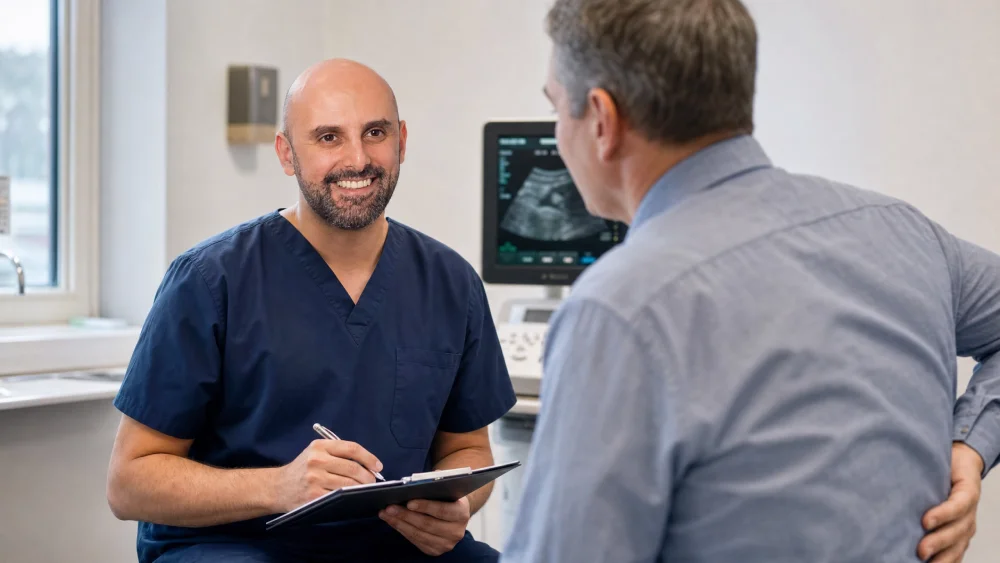
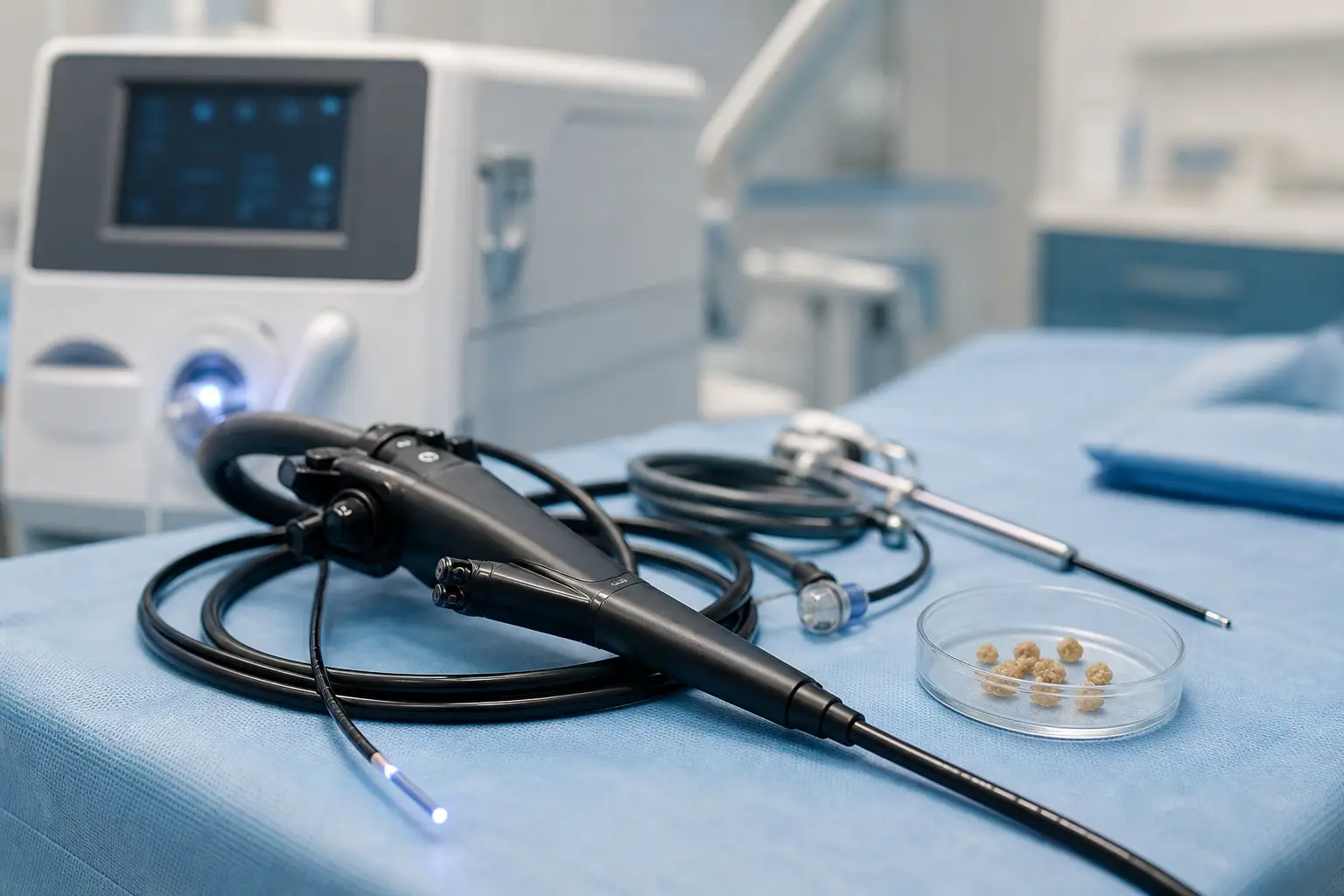
Once I decided to pursue medical help, my doctor conducted a series of tests to establish a diagnosis. The diagnostic process for kidney cancer typically involves several steps:
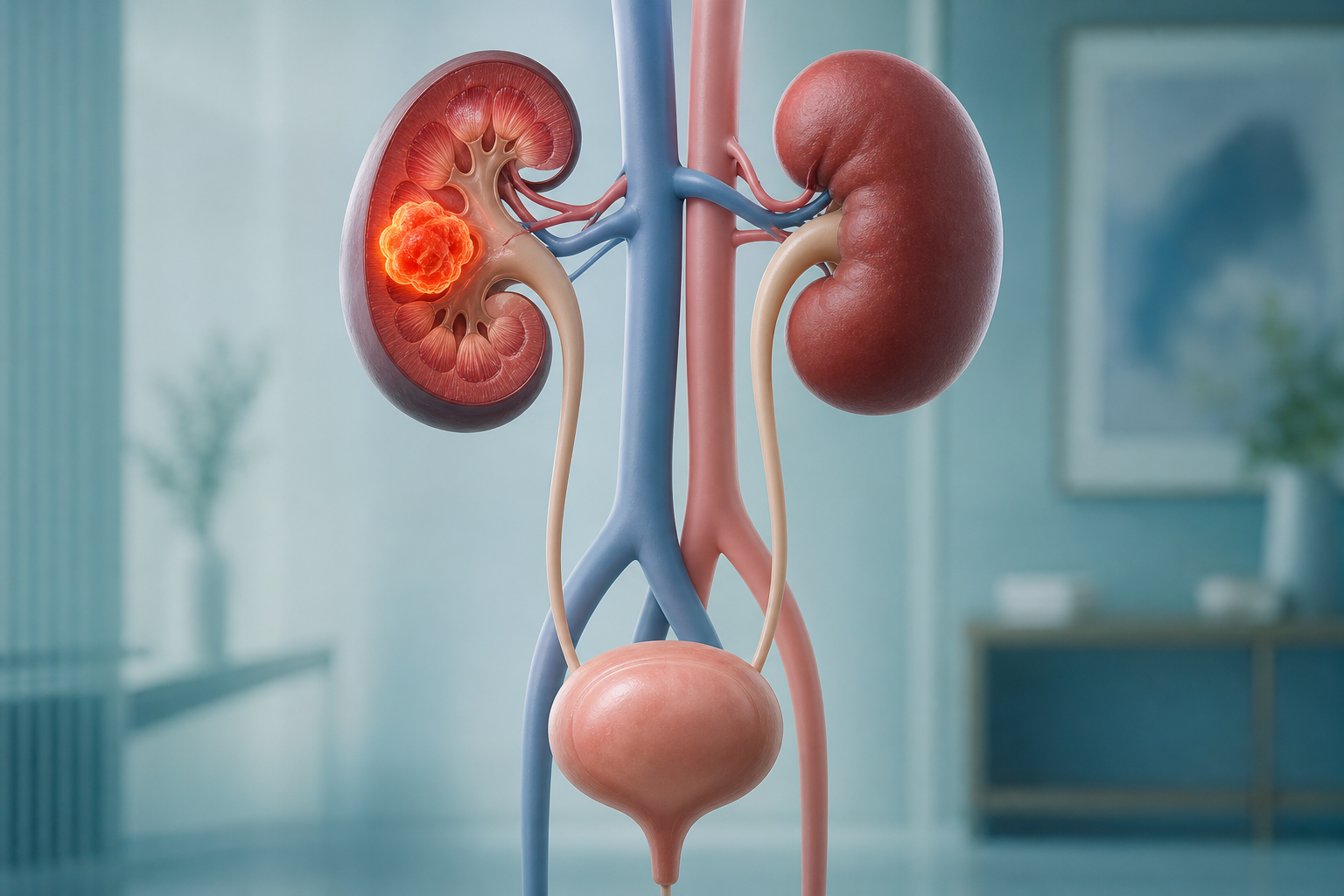
In my case, a CT scan was pivotal in identifying a mass on my kidney. The results confirmed my worst fears: I had kidney cancer. This stage of diagnosis can be overwhelming, but understanding the process can help ease anxiety.
The exact cause of kidney cancer remains unknown, but several risk factors have been identified, including:
While I do not have a family history of kidney cancer, I recognised that my lifestyle choices may have contributed to my diagnosis. Understanding these risk factors can empower individuals to make informed decisions about their health. According to Cancer Research UK, kidney cancer diagnoses have increased by around 38% over the last decade, highlighting the growing importance of awareness and early detection.
Upon diagnosis, my healthcare team discussed the treatment options available to me. The approach largely depends on the stage of the cancer, the size of the tumour, and overall health. Common treatment options include:
In my situation, my doctor recommended a partial nephrectomy, which involves removing the cancerous part of the kidney while preserving as much healthy tissue as possible. This approach aligns with current trends towards minimally invasive treatments, which I found reassuring.
Recovery from kidney cancer treatment varies depending on the procedure performed. Here are some common aspects of the recovery process:
For me, recovery was challenging but ultimately rewarding. I focused on nutrition, physical activity, and staying positive, which significantly aided my healing process.
While not all cases of kidney cancer can be prevented, certain lifestyle changes may reduce your risk:
Taking proactive steps towards prevention can empower individuals to take charge of their health and potentially reduce their risk of kidney cancer. According to the NHS, maintaining a healthy lifestyle can lower the risk of developing various types of cancer, including kidney cancer.
My journey of how I found out I had kidney cancer was undoubtedly challenging, but it also taught me the importance of awareness and early detection. By understanding the symptoms, diagnostic processes, and treatment options, patients can navigate their health journeys with greater confidence.
If you are experiencing concerning symptoms or have questions about kidney cancer, I encourage you to seek a specialist consultation. To find out whether you may be at risk for kidney cancer or require further evaluation, book a consultation with Mr Ammar Alanbuki. Your health is paramount, and taking the first step could be life-changing.
For more information on kidney cancer prevention and treatment options, visit NHS Kidney Cancer.
Consultant Urological Surgeon at University Hospitals Sussex NHS Foundation Trust. Specialist in robotic and minimally invasive urology, prostate surgery, kidney cancer and stone disease.
Book a private consultation to discuss your symptoms.