Contact Details
Clinic Hours
Understanding what is the best treatment for prostate enlargement, also known as benign prostatic hyperplasia (BPH), is essential for many men as they age.

Understanding what is the best treatment for prostate enlargement, also known as benign prostatic hyperplasia (BPH), is essential for many men as they age. This common condition can lead to uncomfortable urinary symptoms and significantly affect overall quality of life. In this article, we will explore the various treatment options available, their effectiveness, and what factors you should consider when seeking care. Updates in 2026 have brought new insights into treatment methods, making this information more relevant than ever.
Mr Ammar Alanbuki is a Consultant Urological Surgeon based in Brighton, specialising in urology, including prostate treatments. With over ten years of experience in the NHS and independent practice, Mr Alanbuki focuses on minimally invasive procedures designed to improve patient outcomes while addressing complex urological conditions. Consulting with a specialist like Mr Alanbuki ensures that you receive a tailored approach to your treatment.
Before discussing treatment options, it is crucial to understand the symptoms associated with prostate enlargement. Common symptoms include:
Recognising these symptoms early can lead to timely interventions and improved quality of life. According to the NHS, around 50% of men aged 50 and older will experience symptoms of BPH. If you experience any of these issues, it is advisable to consult a urologist for a thorough evaluation.
The exact cause of prostate enlargement is not fully understood, but several factors may contribute, including:
Understanding these factors can help you discuss your risk with your healthcare provider effectively.
When considering what is the best treatment for prostate enlargement, it is vital to evaluate the various options available, which can range from lifestyle changes to surgical interventions. Here are some common treatment approaches:
For mild symptoms, lifestyle modifications may be sufficient to manage the condition. These changes can include:
Such adjustments can alleviate symptoms and enhance bladder health.
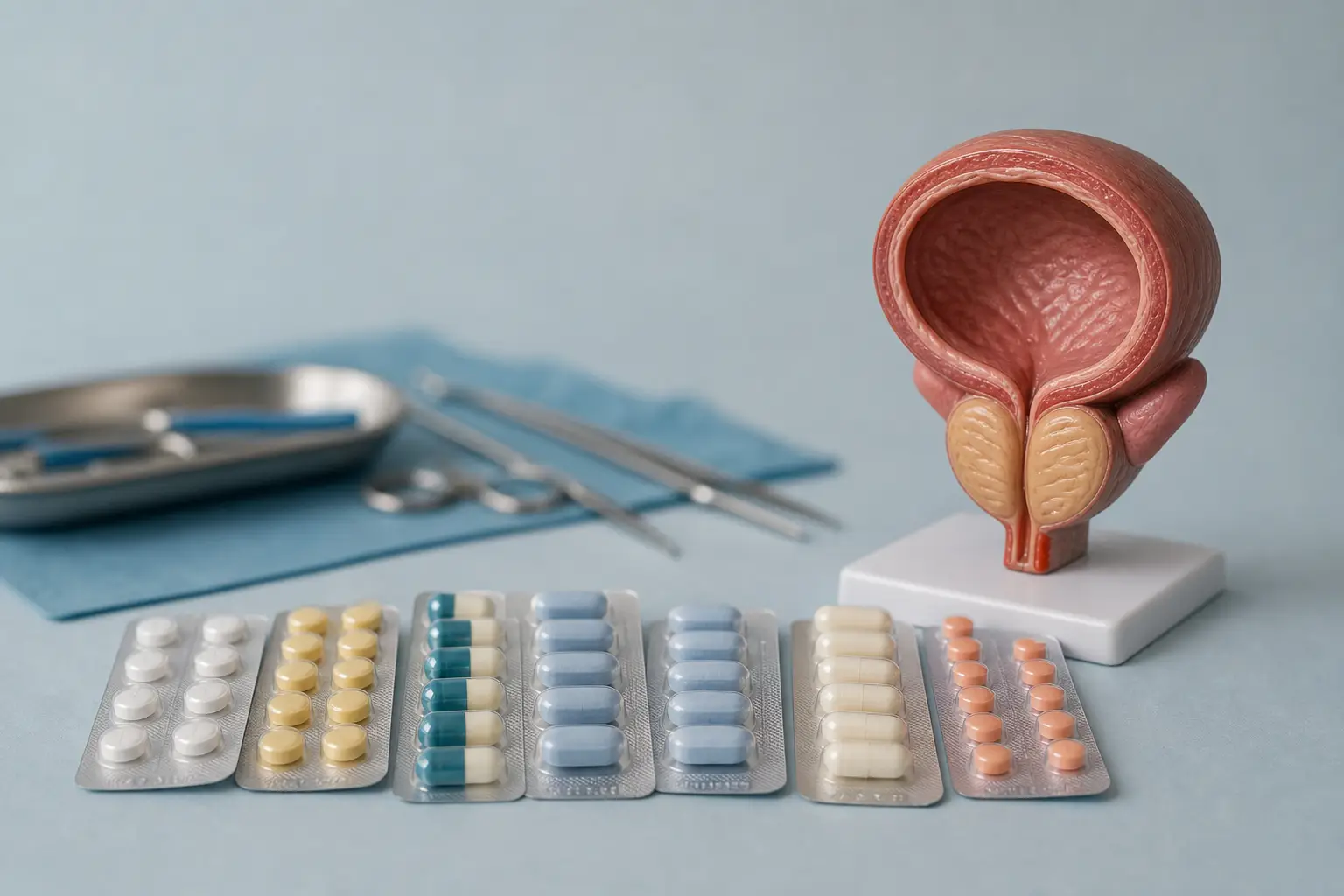
Several medications can help relieve symptoms of benign prostatic hyperplasia. Common classes of drugs include:
Patients should discuss the benefits and potential side effects of these medications with their healthcare provider. According to a study published in the Journal of Urology, nearly 70% of men experienced significant improvement in symptoms when using these medications consistently.
For patients who do not respond adequately to medications, minimally invasive procedures may be considered. Two notable options are:
Both techniques are designed to enhance patient comfort and offer quicker recovery compared to traditional surgery. Updated guidelines from the National Institute for Health and Care Excellence (NICE) advocate these methods as effective alternatives.
In more severe cases, surgery may be necessary. Common surgical procedures include:
While surgical options can be effective, they may carry risks and require a longer recovery period. Therefore, a thorough discussion with a urology specialist is essential.
Determining what is the best treatment for prostate enlargement depends on various factors, including:
Your clinician will conduct a detailed assessment, including a physical examination and possibly imaging studies, to tailor a treatment plan that aligns with your needs. Regular follow-ups can help adjust treatment based on your progress.
The recovery process varies depending on the treatment chosen. For minimally invasive procedures, patients can often return to normal activities within a few days, while surgical recovery may take several weeks. Common post-treatment considerations include:
In conclusion, understanding what is the best treatment for prostate enlargement involves evaluating your symptoms, discussing your options with a qualified urologist, and determining the most appropriate course of action for your situation. With advancements in treatments, many men find relief from their symptoms and improve their quality of life. Updated recommendations from healthcare bodies reflect ongoing research and development in this field.
To find out whether what is the best treatment for prostate enlargement may be suitable for you, book a consultation with Mr Ammar Alanbuki, an experienced consultant urological surgeon in Brighton. Your health and comfort are paramount, and a tailored approach can make all the difference. For further information on prostate health, visit our Prostate Treatment page.
Consultant Urological Surgeon at University Hospitals Sussex NHS Foundation Trust. Specialist in robotic and minimally invasive urology, prostate surgery, kidney cancer and stone disease.
Book a private consultation to discuss your symptoms.