If you have been told you have an enlarged prostate, understanding your enlarged prostate treatment options is an important first step. Benign prostatic hyperplasia (BPH), the medical term for a non-cancerous enlarged prostate, is a common condition in men, particularly those over 50, and there are several effective ways to manage it. Treatment ranges from lifestyle changes and medication through to minimally invasive procedures and surgery, depending on how much your symptoms are affecting your daily life.
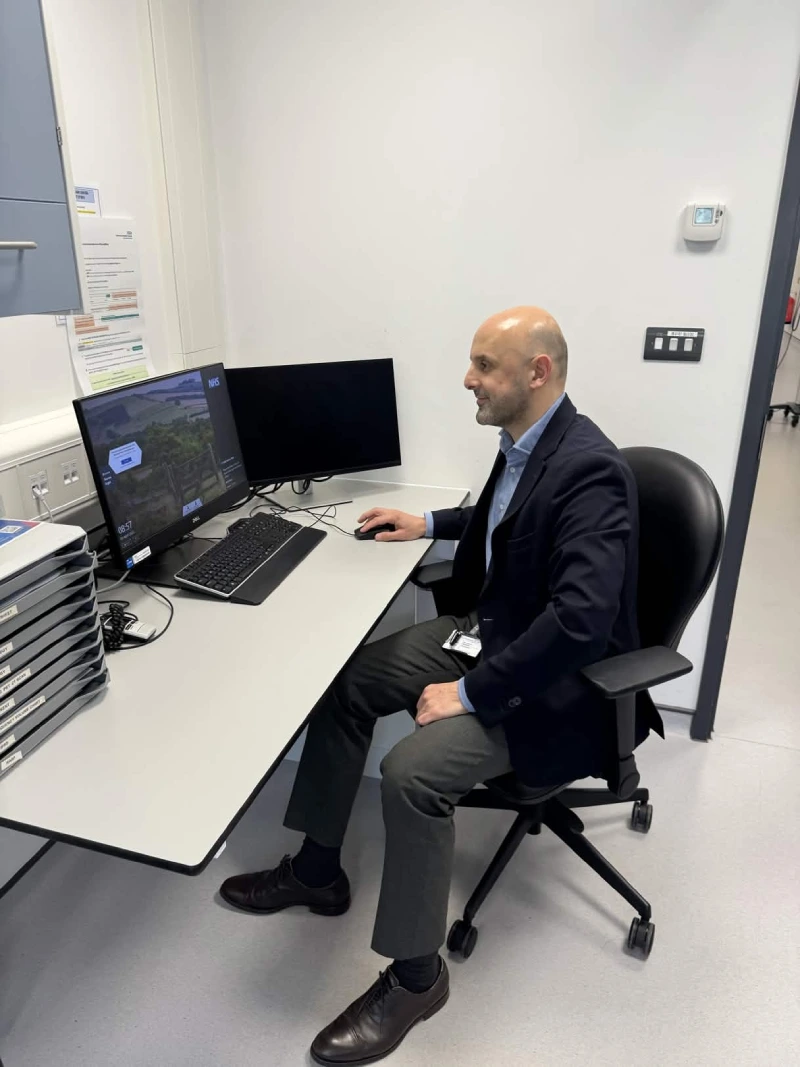
Mr Ammar Alanbuki is a consultant urologist with specialist expertise in prostate surgery and urological conditions. He sees patients across London, Horley, and Brighton, offering personalised assessment and a full range of treatment options for men living with an enlarged prostate.
What Is an Enlarged Prostate and Why Does It Cause Problems?
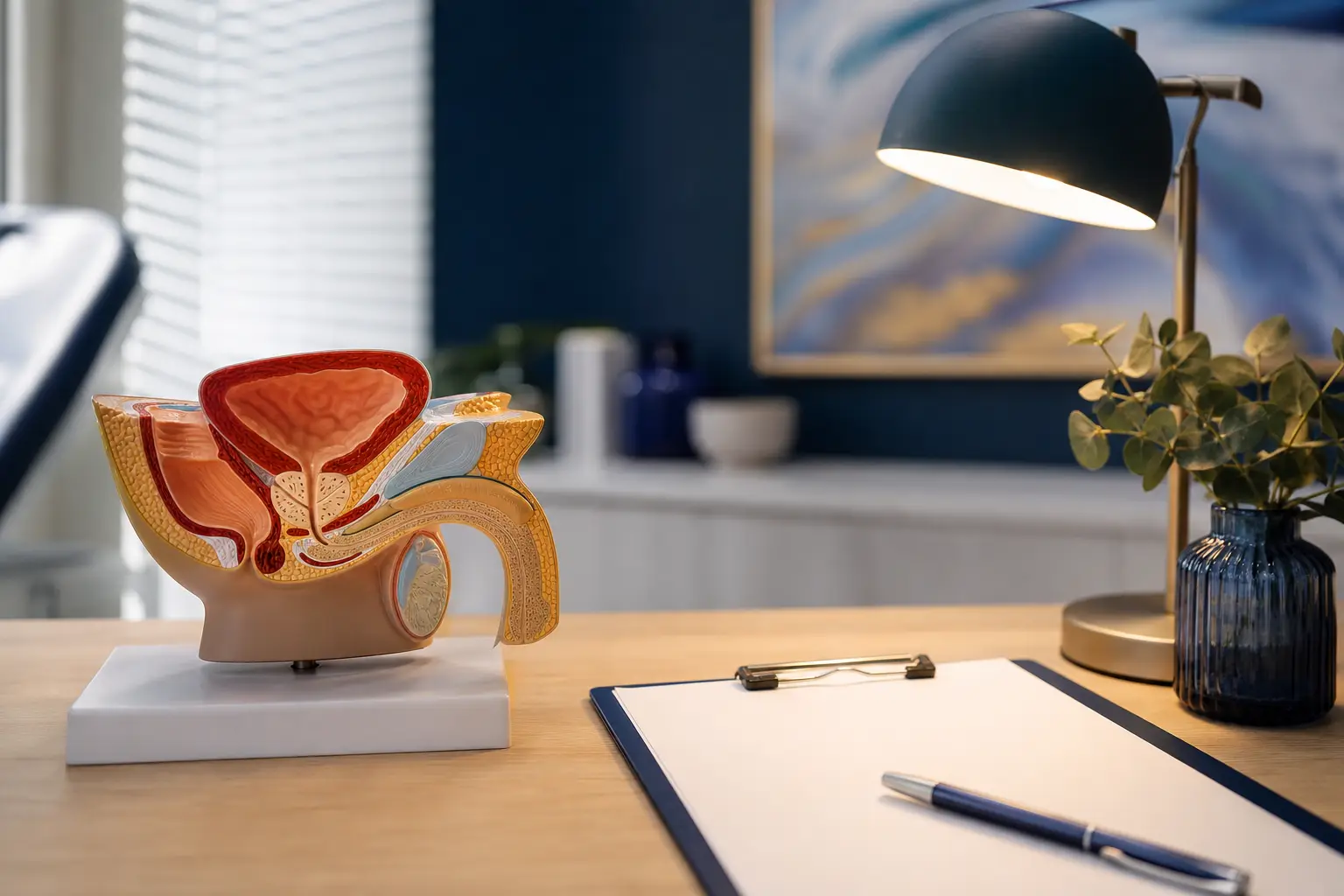
The prostate is a small gland that sits beneath the bladder and surrounds the urethra — the tube through which urine passes. As men age, the prostate naturally tends to grow. When it becomes enlarged, it can press on the urethra and interfere with normal urinary flow.
Common symptoms associated with BPH include:
- A weak or slow urine stream
- Difficulty starting to urinate
- Needing to urinate frequently, especially at night
- A feeling that the bladder has not fully emptied
- Urgency or leaking before reaching the toilet
According to the NHS guidance on benign prostate enlargement, these symptoms can significantly affect quality of life but are not usually a sign of prostate cancer. A proper assessment is always recommended to confirm the diagnosis and rule out other causes.
What Are the Main Enlarged Prostate Treatment Options?
The right enlarged prostate treatment depends on the severity of your symptoms, your overall health, and your personal preferences. Your clinician will discuss all available options with you before any decision is made.
Watchful Waiting and Lifestyle Changes
For men with mild symptoms, active monitoring — sometimes called watchful waiting — may be the first approach. This involves regular check-ups to track any changes, alongside practical lifestyle adjustments such as reducing caffeine and alcohol intake, managing fluid intake in the evenings, and practising bladder training techniques. This approach suits men whose symptoms are manageable and not significantly disrupting daily life.
Medication for Enlarged Prostate Treatment
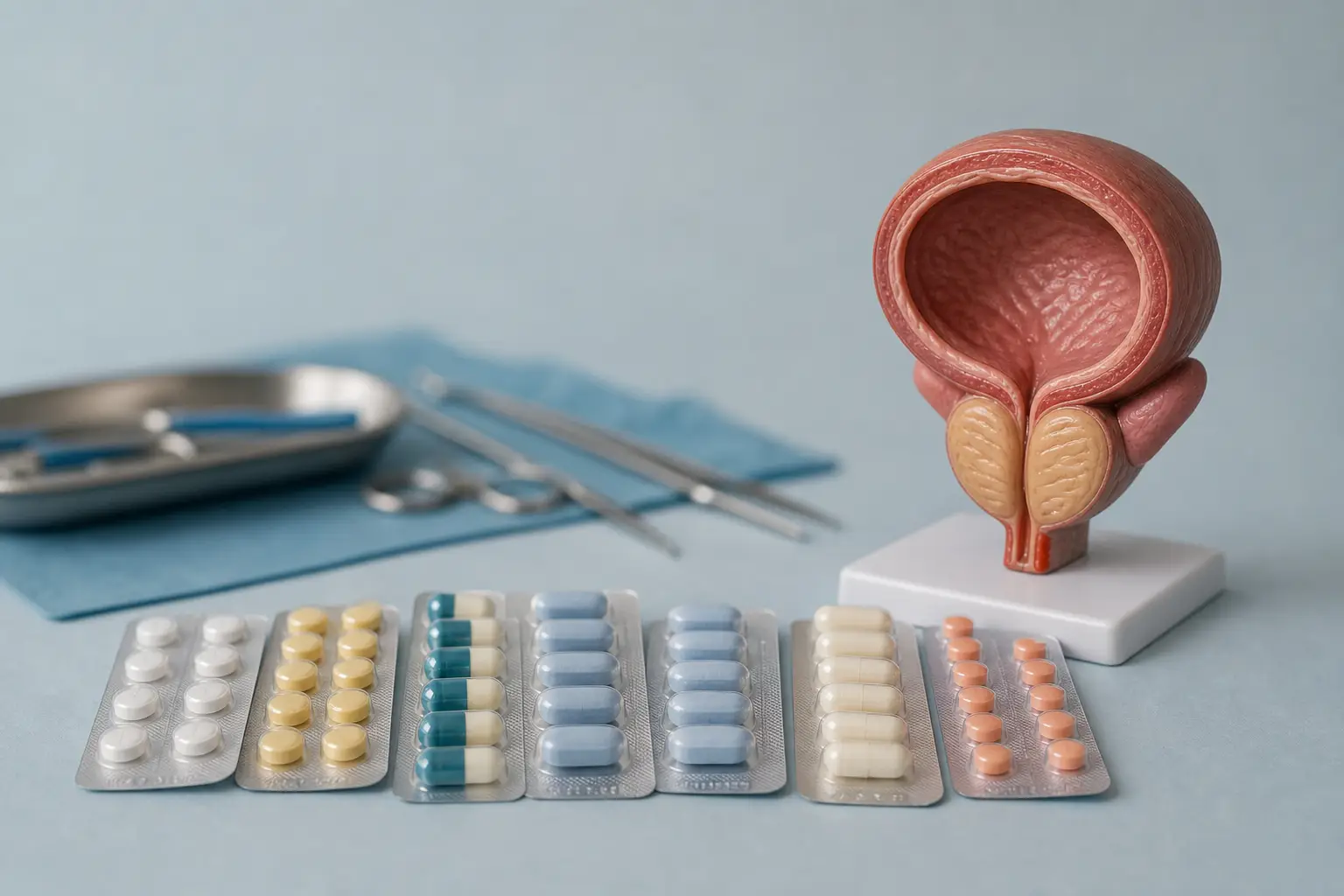
When symptoms become more bothersome, medication is often the next step. There are two main types commonly prescribed for enlarged prostate treatment:
- Alpha-blockers — these relax the muscles around the prostate and bladder neck, making it easier to urinate. They tend to work relatively quickly.
- 5-alpha reductase inhibitors — these work by gradually shrinking the prostate over several months. They are often recommended for men with a significantly enlarged prostate.
In some cases, a combination of both types may be recommended. Your clinician will advise on the most appropriate medication based on your symptoms and medical history.
When Is Surgery Considered for an Enlarged Prostate?
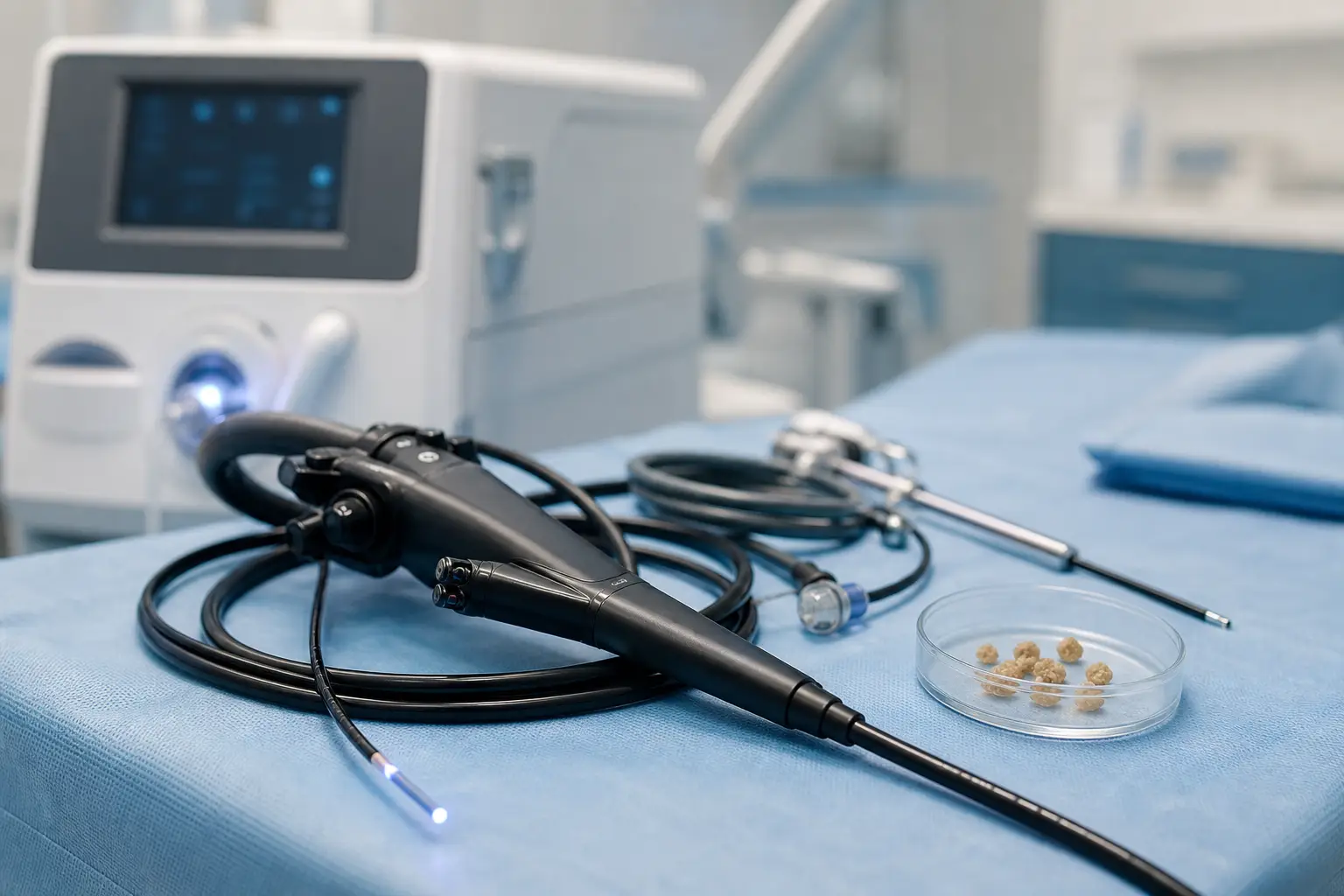
If medication does not provide sufficient relief, or if symptoms are severe, surgical enlarged prostate treatment may be discussed. There are several procedures available, ranging from minimally invasive options to more established surgical techniques.
Aquablation Therapy
Aquablation is a modern, minimally invasive enlarged prostate treatment that uses a precise, heat-free waterjet guided by robotic technology to remove excess prostate tissue. It is suitable for a wide range of prostate sizes and is associated with a favourable side-effect profile. Mr Ammar Alanbuki offers Aquablation as part of his prostate surgery services.
Prostate Resection (TURP)
Transurethral resection of the prostate, commonly known as TURP, has long been considered a gold-standard surgical treatment for BPH. It involves removing the inner portion of the prostate using an instrument passed through the urethra, with no external incisions required. TURP is a well-established procedure with a strong evidence base. You can find out more about TURP on the NHS website.
Laser Prostate Surgery
Laser-based procedures offer an alternative to traditional TURP, often with reduced bleeding and a shorter hospital stay. These techniques use laser energy to remove or ablate obstructing prostate tissue and may be particularly suitable for men on blood-thinning medication.
How Is the Right Treatment Chosen?
Choosing the most appropriate enlarged prostate treatment is not a one-size-fits-all decision. Factors that influence the recommendation include the size of the prostate, the severity of symptoms, your age and general health, any medications you are currently taking, and your own preferences regarding recovery time and potential side effects. A thorough consultation, which may include a flow rate test, ultrasound, or other assessments, helps to build a complete picture before any treatment is planned.
Taking the Next Step
Living with an enlarged prostate does not have to mean simply putting up with disruptive symptoms. Effective enlarged prostate treatment options are available, and the right approach can make a meaningful difference to your comfort and quality of life. Whether you are exploring medication for the first time or considering a surgical option, specialist guidance is key.
To discuss your symptoms and find out which enlarged prostate treatment may be most suitable for you, book a consultation with Mr Ammar Alanbuki. He welcomes patients from London, Horley, Brighton, and the surrounding areas.