The signs of prostate enlargement are something many men notice gradually, often dismissing early symptoms as a normal part of ageing. While an enlarged prostate, known medically as benign prostatic hyperplasia (BPH), is indeed common in older men, that does not mean the symptoms should be ignored. Recognising the warning signs early and seeking the right advice can make a significant difference to your quality of life and long-term urinary health.
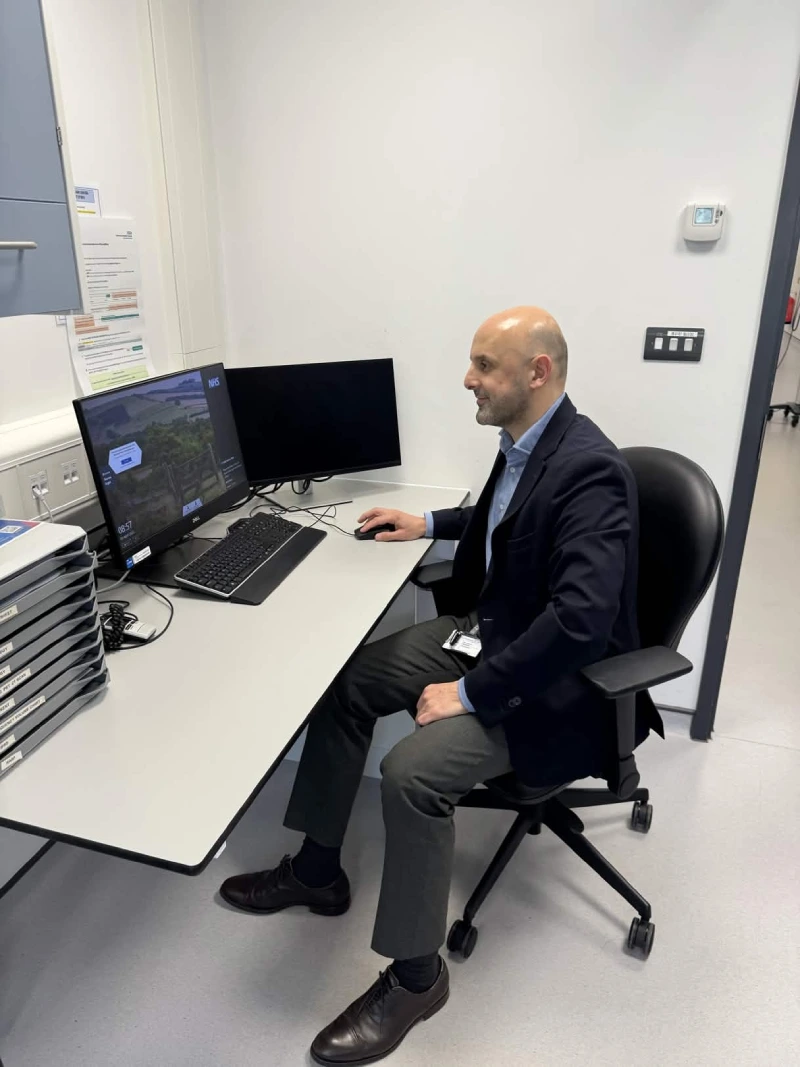
Mr Ammar Alanbuki is a consultant urologist with expertise in urological, oncological, and female urology conditions. He sees patients across London, Horley, and Brighton, offering specialist assessment and a range of treatment options for men experiencing prostate-related symptoms.
What Is Prostate Enlargement?
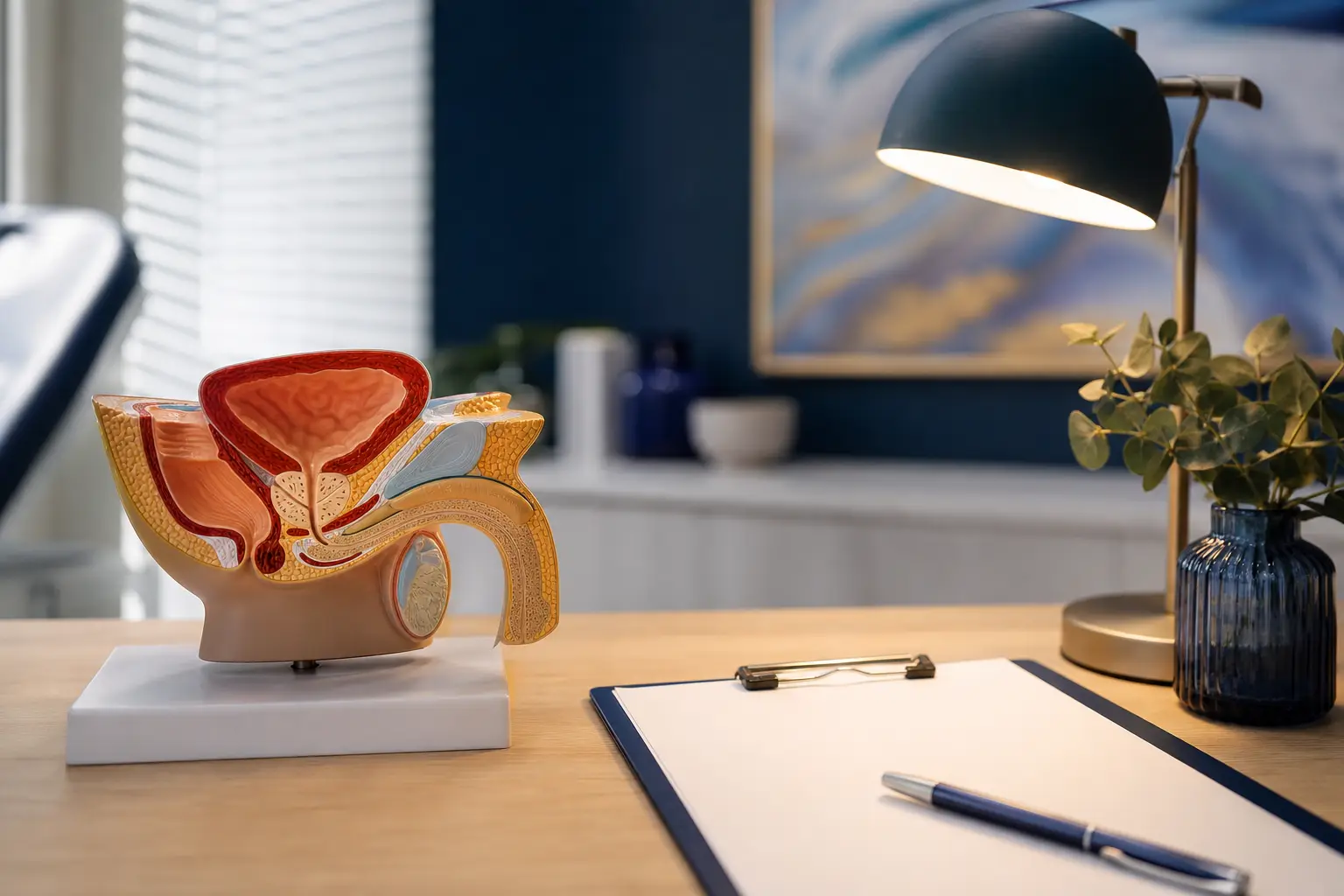
The prostate is a small gland, roughly the size of a walnut, that sits beneath the bladder and surrounds the urethra — the tube through which urine passes. As men age, the prostate commonly grows larger. According to NHS guidance on benign prostate enlargement, BPH affects around one in three men over the age of 50.
When the prostate enlarges, it can press on the urethra and interfere with normal urinary flow. This is what causes the range of symptoms associated with the condition. BPH is not the same as prostate cancer, though some symptoms can overlap, which is why a proper clinical assessment is always important.
What Are the Common Signs of Prostate Enlargement?
The signs of prostate enlargement typically affect urination. Symptoms can develop slowly and may vary in severity from person to person. Some men experience mild inconvenience, while others find their daily life significantly disrupted.
Urinary Symptoms to Be Aware Of
- A frequent need to urinate, particularly at night (nocturia)
- Difficulty starting to urinate or a weak, slow urine stream
- A feeling that the bladder has not fully emptied after urinating
- Dribbling at the end of urination
- Sudden, urgent need to urinate that is difficult to delay
- Stopping and starting mid-stream
- Straining to pass urine
These symptoms are often referred to collectively as lower urinary tract symptoms (LUTS). Not all men with an enlarged prostate will experience every symptom, and the severity does not always reflect the size of the prostate.
When Should You Seek Medical Advice for Signs of Prostate Enlargement?
It is worth speaking to a specialist if any of the signs of prostate enlargement are affecting your sleep, daily routine, or general wellbeing. Many men delay seeking help out of embarrassment or the assumption that nothing can be done — but effective treatments are available.
Symptoms That Warrant Prompt Attention
Certain symptoms should be assessed without delay. These include:
- Complete inability to urinate (urinary retention) — this requires urgent medical care
- Blood in the urine or semen
- Pain or burning during urination
- Pain in the lower back, hips, or pelvis
- Recurrent urinary tract infections
If you experience any of these symptoms, please seek urgent medical attention or contact your GP promptly, as they may indicate a condition that requires immediate assessment.
How Is Prostate Enlargement Diagnosed?
A diagnosis is typically made through a combination of a medical history review, a discussion of symptoms, a physical examination, and targeted tests. Mr Ammar Alanbuki may recommend a prostate-specific antigen (PSA) blood test, a urine flow test, or an ultrasound scan to assess the prostate and bladder function. These investigations help to build a clear picture and guide the most appropriate treatment pathway.
What Treatment Options Are Available?
Treatment for an enlarged prostate depends on the severity of symptoms and how much they are affecting daily life. Options may range from lifestyle adjustments and medication through to minimally invasive procedures or surgery.
Mr Ammar Alanbuki offers a range of prostate treatments, including AquaBlation therapy and prostate resection (TURP) — procedures that aim to relieve urinary obstruction with precision. The most suitable option will always be discussed in detail during a consultation, taking individual circumstances into account.
Taking the Next Step
The signs of prostate enlargement are not something you need to simply live with. Early assessment can help rule out more serious conditions, clarify the cause of your symptoms, and open the door to treatments that may significantly improve your comfort and quality of life.
To discuss your symptoms and find out what options may be right for you, book a consultation with Mr Ammar Alanbuki. He sees patients in London, Horley, and Brighton, and offers a thorough, patient-centred approach to urological care. Contact Mr Alanbuki’s practice to arrange an appointment.