Contact Details
Clinic Hours
Laser surgery for kidney stones is one of the most effective and minimally invasive treatments available for removing stones from the urinary tract.

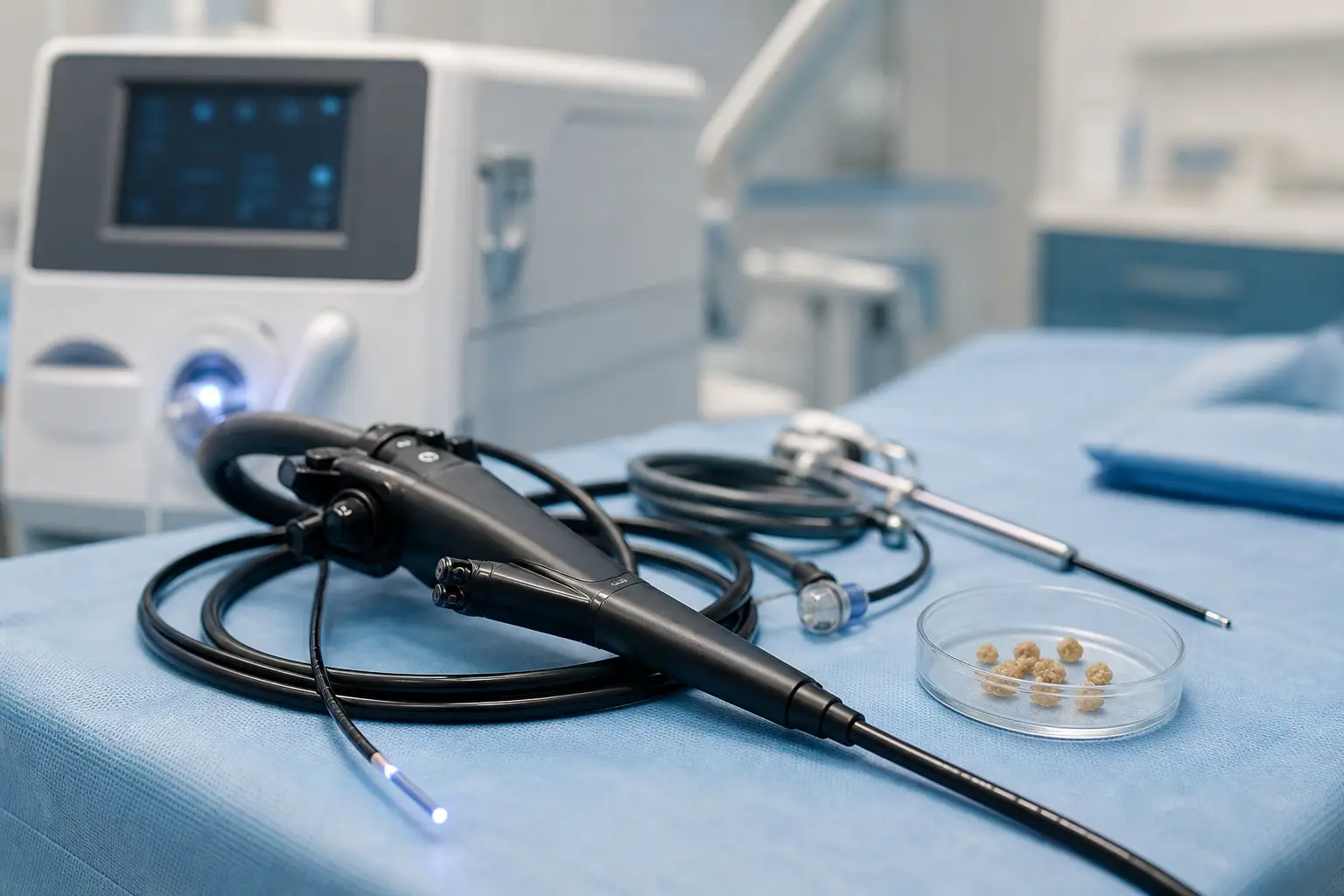
Laser surgery for kidney stones, known as ureteroscopy with laser lithotripsy, uses a thin telescope passed through the urinary tract and a laser to break stones into tiny fragments or dust.
There are no cuts on the skin, and most patients go home the same day or the next morning. It is used for stones that are unlikely to pass on their own, or that are causing pain, blockage or infection. Kidney stones are common. According to NICE, the lifetime prevalence of kidney stone disease is 13%, which means more than 1 in 10 people will develop a stone at some point in their life. Laser treatment has become one of the most widely used ways of treating them in the UK.
Mr Ammar Alanbuki is a Consultant Urological Surgeon at University Hospitals Sussex NHS Foundation Trust, with subspecialty training in endourology and stone disease from Norfolk and Norwich University Hospitals. He treats patients with kidney stones privately in Brighton, Hove, Haywards Heath, Gatwick and London.
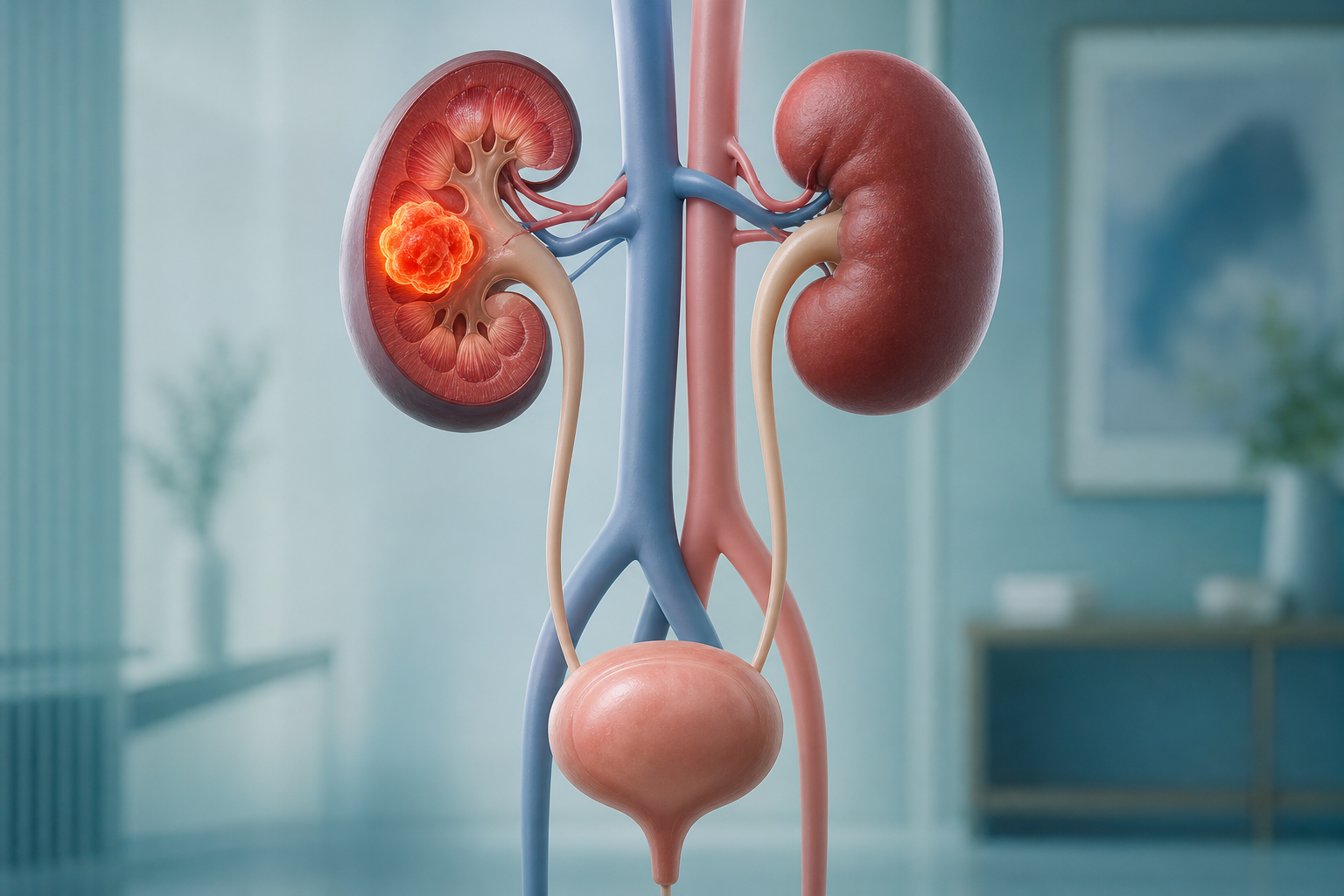
Laser surgery for kidney stones is a minimally invasive procedure. A thin telescope called a ureteroscope is passed through the urethra and bladder and up into the ureter (the tube that drains urine from the kidney to the bladder) or into the kidney itself. When the stone is reached, a fine laser fibre passed through the telescope breaks it into small pieces or dust.
There are two main types of ureteroscope:
Because the telescope uses the body’s natural opening, no incisions are needed, and recovery is usually quicker than with keyhole surgery through the skin.
Its use has grown steadily. According to NICE guidance on renal and ureteric stones, the number of ureteroscopy treatments for kidney and ureteric stones in England rose by 49%, from 12,062 in 2009/10 to 18,066 in 2014/15.
Many small kidney stones pass on their own with pain relief and plenty of fluids. Research published in the British Journal of General Practice reports that stones smaller than 4 mm have a 95% chance of passing naturally within 40 days. Larger stones are much less likely to pass without help.
Laser surgery may be recommended when:
Renal colic is the severe pain caused when a kidney stone moves into the ureter and blocks the flow of urine. It usually starts suddenly in the side or back, below the ribs, and can spread to the lower tummy or groin. The pain often comes in waves and may be accompanied by nausea, vomiting, blood in the urine or needing to pass urine often.
Renal colic is usually assessed with a low-dose CT scan, which shows the size and exact position of the stone. It is treated first with pain relief, with anti-inflammatory medicines usually recommended as first-line treatment in NICE guidance. Some patients with a smaller stone in the lower part of the ureter may be offered a medicine called an alpha blocker to help it pass. If a stone does not pass, or keeps causing pain, laser surgery may be recommended.
The best treatment depends on the size, position and type of stone, as well as your general health. The main options are:
Mr Alanbuki will explain which option is best suited to your stone and why.
The procedure is usually carried out under general anaesthetic and follows these steps:
Procedure time varies with the size, number and position of the stones. Your surgeon will give you an estimate based on your scan.
The holmium laser is the most widely used laser for kidney stone surgery in the UK. It can break all types of kidney stone, including hard stones, while limiting damage to the surrounding tissue.
Newer thulium fibre lasers are also used in some centres. They are designed to break stones into finer dust, which can then pass more easily. Both types of laser are effective, and the choice depends on the stone and the equipment available.
Most patients go home the same day or the following morning. Many people return to light activities within a few days, although this depends on the size of the stone, whether a stent has been placed and the type of work you do.
You will usually be advised to drink plenty of fluids to help flush out any remaining stone dust, and you will be given pain relief to take at home. A follow-up appointment, often with a scan, is arranged to check that the stone has cleared.
It is common to have some temporary symptoms after surgery, including:
If a stent has been placed, it can cause discomfort in the side or bladder, especially when passing urine, as well as frequency and some blood in the urine. Stents are temporary and are usually removed after a few days to a few weeks, depending on your situation. Some stents have a thread attached so they can be removed easily, while others are removed with a short telescope procedure. Your surgeon will tell you when yours will be removed.
Drinking plenty of fluids and taking the pain relief you are given will help your recovery.
Laser stone surgery is generally safe, but as with any procedure there are risks. These include:
Your surgeon will discuss these risks and how they apply to you before you consent to surgery.
Laser surgery removes the stones you have, but it does not stop new ones forming. According to research published in the British Journal of General Practice, kidney stones have a recurrence rate of 50% within 10 years, which is why prevention is an important part of follow-up.
You can lower your risk by:
Some patients are offered tests to analyse their stone and their urine, so that prevention advice can be tailored to the type of stone they form. The NHS guide to kidney stones has more information.
If you have symptoms of a kidney stone, or a scan has shown a stone that has not passed, a specialist can advise whether it is likely to pass on its own or needs treatment.
Seek urgent medical help if you have:
These can be signs that a stone is blocking the kidney with infection, which needs emergency treatment.
If you have been diagnosed with a kidney stone or have symptoms that concern you, book a consultation with Mr Ammar Alanbuki to discuss your options and whether laser surgery is suitable for you.
Consultant Urological Surgeon at University Hospitals Sussex NHS Foundation Trust. Specialist in robotic and minimally invasive urology, prostate surgery, kidney cancer and stone disease.
Book a private consultation to discuss your symptoms.