Introduction
Enlarged prostate symptoms are among the most common urological concerns affecting men, particularly those over the age of 50. If you have noticed changes to your urinary habits — such as needing to visit the bathroom more frequently or experiencing a weak flow — these may be signs that your prostate has grown larger than usual. Understanding what to look out for can help you seek the right support at the right time.
Mr Ammar Alanbuki is a consultant urologist with specialist expertise in prostate conditions, urological oncology, and male urology. He sees patients across London, Horley, and Brighton, offering personalised assessment and a range of evidence-based treatment options for men experiencing prostate-related symptoms.
What Is an Enlarged Prostate?
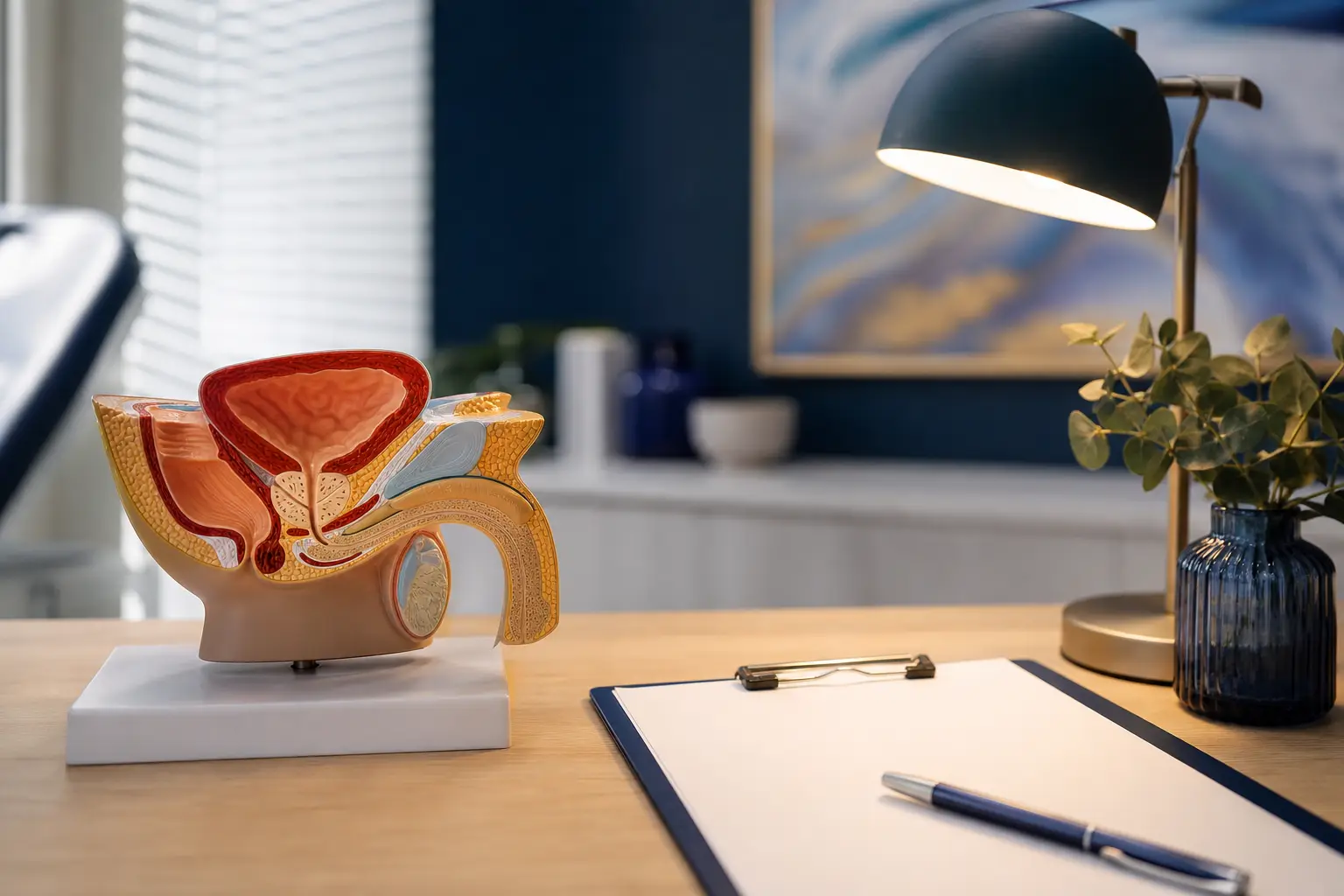
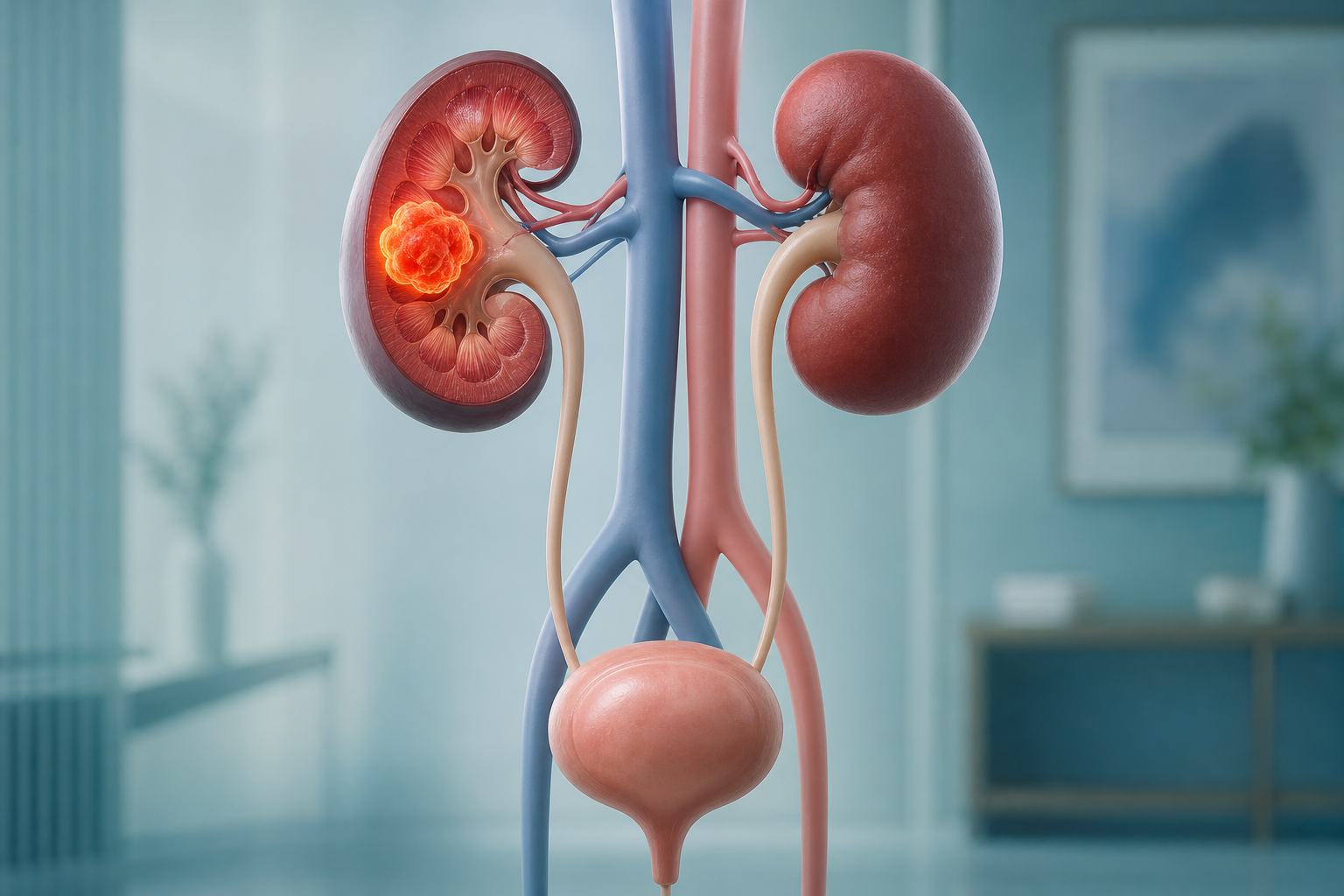
The prostate is a small gland, roughly the size of a walnut, that sits just below the bladder and surrounds the urethra — the tube that carries urine out of the body. As men age, the prostate naturally tends to grow. This condition is known medically as benign prostatic hyperplasia (BPH). It is not cancer, and in many cases it is a normal part of ageing.
However, when the prostate becomes significantly enlarged, it can press on the urethra and affect how the bladder functions. This is when enlarged prostate symptoms begin to appear and may start to affect daily life.
According to the NHS, benign prostate enlargement is estimated to affect around one in three men over the age of 50 in the UK.
What Are the Most Common Enlarged Prostate Symptoms?
Enlarged prostate symptoms typically fall into two categories: those related to bladder storage and those related to the flow of urine. Symptoms can range from mildly inconvenient to significantly disruptive, and they often develop gradually over time.
Storage Symptoms
These symptoms relate to how the bladder holds urine:
Needing to urinate more frequently, especially during the night (nocturia)
A sudden, urgent need to urinate that is difficult to defer
Leaking urine before reaching the toilet (urge incontinence)
Voiding Symptoms
These symptoms relate to the act of passing urine:
A weak or slow urinary stream
Difficulty starting to urinate, or straining to begin
Stopping and starting during urination
A feeling that the bladder has not fully emptied after urinating
Dribbling at the end of urination
Not every man with an enlarged prostate will experience all of these symptoms. Some men have a noticeably enlarged prostate but very few symptoms, while others may have a moderately enlarged prostate that causes significant disruption.
When Should You See a Specialist About Enlarged Prostate Symptoms?
It is worth speaking to a clinician if urinary symptoms are affecting your sleep, daily routine, or quality of life. While enlarged prostate symptoms are often benign, some symptoms can overlap with other conditions — including prostate cancer or urinary tract infections — so a proper assessment is always recommended.
You should seek prompt medical attention if you experience:
Complete inability to urinate (urinary retention)
Blood in the urine
Pain or burning when urinating
Severe lower abdominal or pelvic pain
If you experience any of these symptoms, please seek urgent medical care or attend your nearest A&E department.
How Are Enlarged Prostate Symptoms Diagnosed?
A specialist will typically begin with a detailed discussion of your symptoms and medical history. This may be followed by a physical examination, urine tests, a blood test to measure PSA (prostate-specific antigen) levels, and in some cases an ultrasound scan. These investigations help to build a clear picture of what is causing your symptoms and rule out other conditions.
Mr Ammar Alanbuki takes a thorough, patient-centred approach to assessment, ensuring that each man receives an accurate diagnosis before any treatment is discussed.
What Treatment Options Are Available for an Enlarged Prostate?
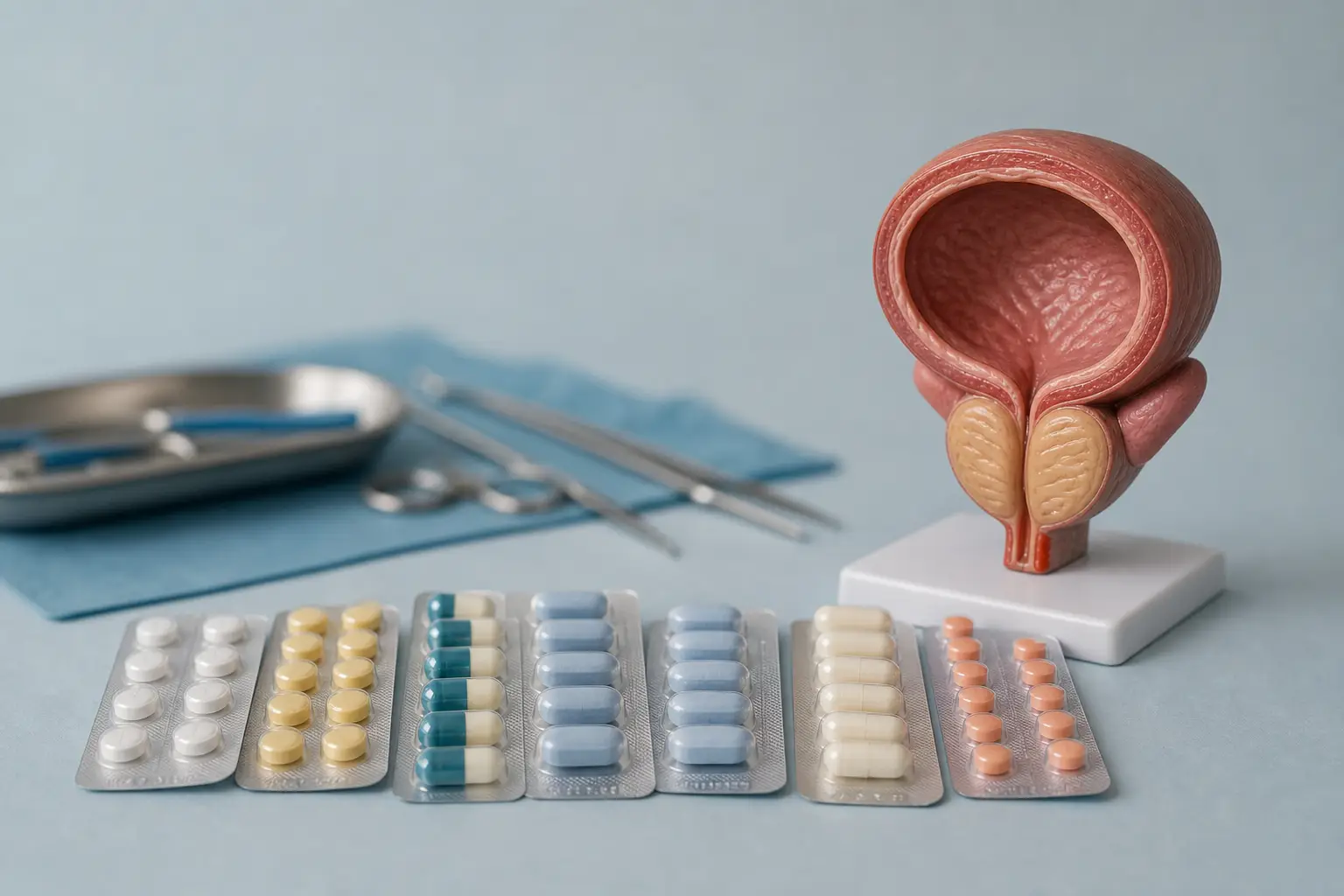
Treatment for enlarged prostate symptoms depends on the severity of symptoms and the impact on your quality of life. Options range from lifestyle adjustments and medication through to minimally invasive procedures and surgery.
Mr Ammar Alanbuki offers a range of prostate treatments, including Aqua Ablation — a precise, water-based procedure for treating BPH — as well as Prostate Resection (TURP). Your clinician will discuss the most appropriate option based on your individual circumstances.
Taking the Next Step
Enlarged prostate symptoms are common, but they do not have to be something you simply put up with. With the right assessment and guidance, many men find significant relief and improvement in their day-to-day lives. If you are experiencing urinary changes that concern you, speaking to a specialist is a straightforward and positive step forward.
To discuss your symptoms and explore your options, book a consultation with Mr Ammar Alanbuki, consultant urologist serving patients in London, Horley, and Brighton. Early assessment can make a meaningful difference to your comfort and confidence.