Receiving a referral for prostate cancer diagnosis can feel overwhelming, but understanding the process can help ease anxiety and prepare you for what lies ahead. Prostate cancer diagnosis typically involves a series of blood tests, physical examinations, and imaging scans, each designed to build a clearer picture of your prostate health. No single test confirms prostate cancer on its own — your clinician will use a combination of results to guide next steps.
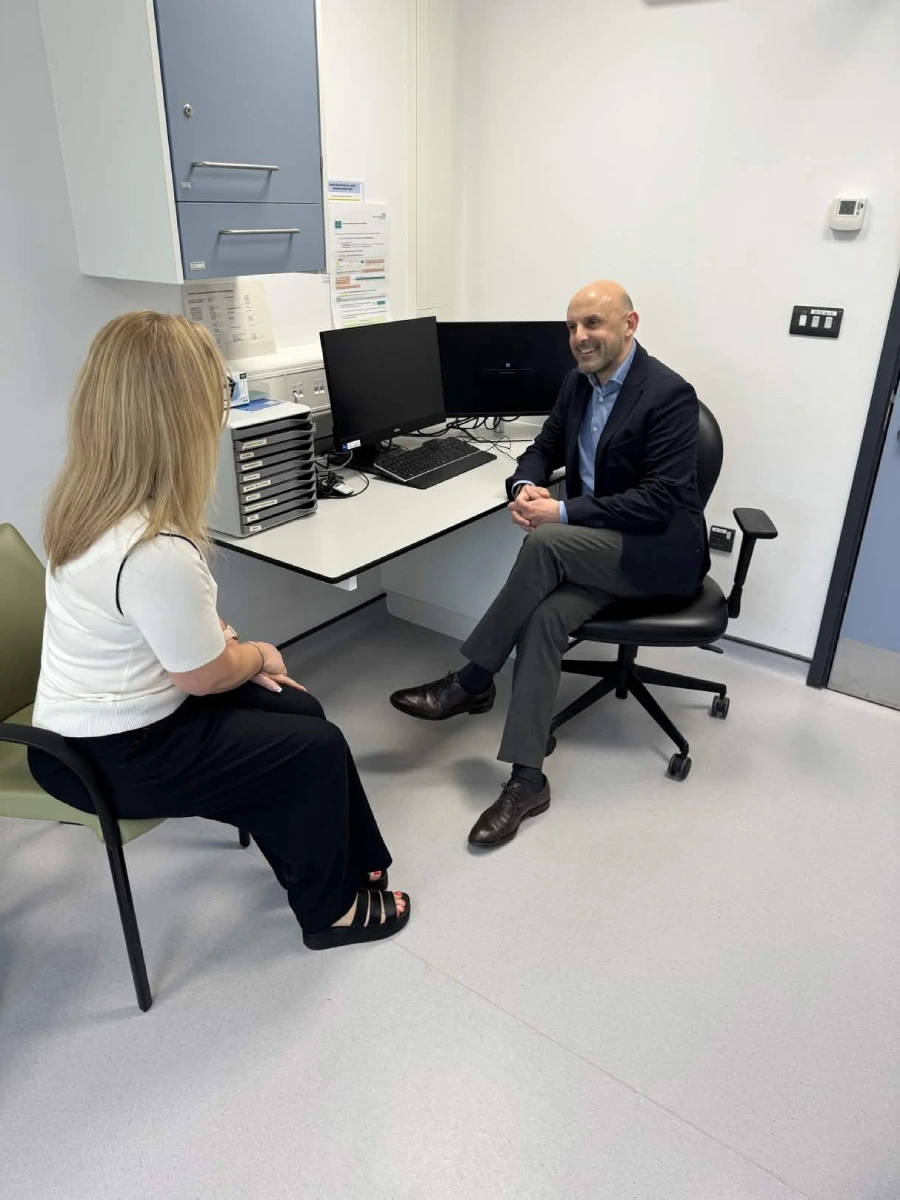
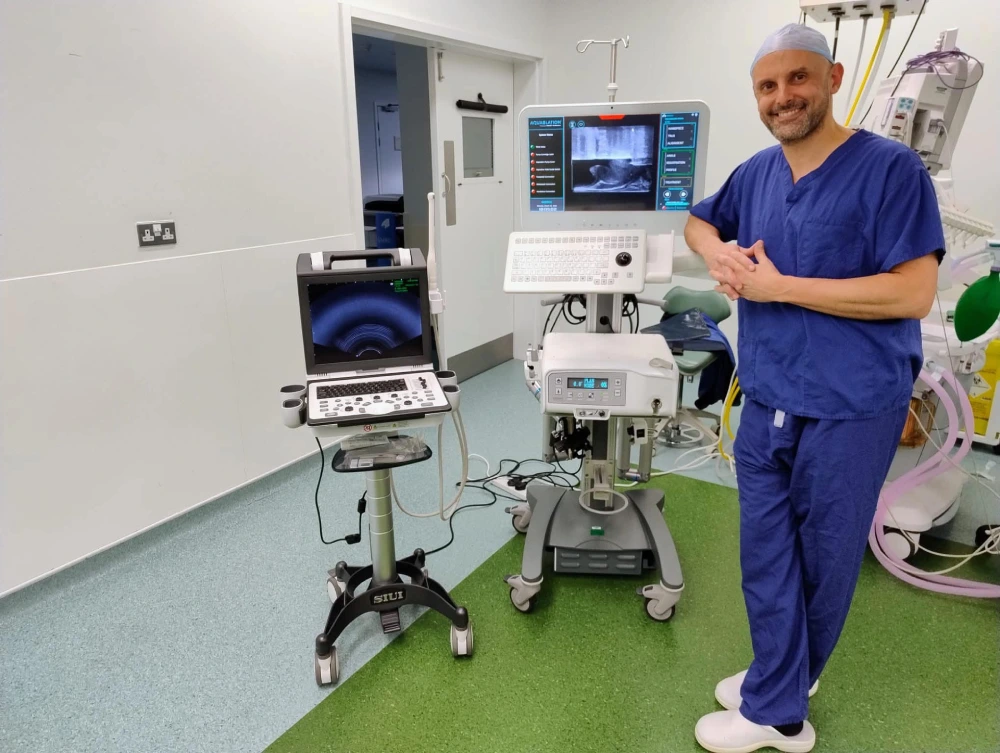
Mr Ammar Alanbuki is a consultant urologist with specialist expertise in urological and oncological conditions, including prostate cancer. He sees patients across London, Horley, and Brighton, offering personalised assessment and care for men concerned about their prostate health.
Why Is Prostate Cancer Diagnosis Important?
Prostate cancer is one of the most common cancers in men in the UK. According to Cancer Research UK, around 52,000 men are diagnosed with prostate cancer each year. Many cases are slow-growing and may not cause immediate harm, but some forms are more aggressive and require prompt treatment. Early and accurate prostate cancer diagnosis gives men the best chance of accessing the right treatment at the right time.
What Are the First Steps in Prostate Cancer Diagnosis?
The diagnostic journey usually begins when a man presents with symptoms or when a routine blood test raises concern. Common reasons for investigation include:
Difficulty urinating or a weak urine flow
Needing to urinate more frequently, especially at night
Blood in the urine or semen
Discomfort in the pelvic area
An elevated PSA result on a routine blood test
It is worth noting that these symptoms can also be caused by non-cancerous conditions such as an enlarged prostate (BPH). A thorough assessment is always needed before any conclusions are drawn.
What Is a PSA Test?
The PSA (Prostate-Specific Antigen) test is a simple blood test that measures the level of PSA protein in the blood. A raised PSA level may indicate prostate cancer, but it can also be elevated due to infection, inflammation, or a benign enlarged prostate. The NHS guidance on prostate cancer diagnosis explains that PSA testing is not a definitive diagnostic tool on its own, but it is an important first step.
What Is a Digital Rectal Examination (DRE)?
A digital rectal examination allows a clinician to feel the size, shape, and texture of the prostate gland. It is a brief and straightforward procedure. An irregular or firm area on the prostate may prompt further investigation, even if PSA levels appear normal.
What Scans Are Used in Prostate Cancer Diagnosis?
If initial tests suggest further investigation is needed, imaging plays a central role in prostate cancer diagnosis. Modern scanning techniques have significantly improved the accuracy of detection and staging.
MRI Scan (Multiparametric MRI)
A multiparametric MRI (mpMRI) scan is now considered a key step before a prostate biopsy in the UK. It provides detailed images of the prostate and can help identify areas that look suspicious. This scan helps clinicians decide whether a biopsy is necessary and, if so, where to target it. The mpMRI is non-invasive and does not use radiation.
Prostate Biopsy
If imaging suggests an area of concern, a biopsy may be recommended. During a biopsy, small tissue samples are taken from the prostate and examined under a microscope. This is the only way to confirm a prostate cancer diagnosis with certainty. Results are graded using the Gleason score, which helps indicate how aggressive the cancer cells appear.
Bone Scan and CT Scan
If prostate cancer is confirmed, further scans such as a bone scan or CT scan may be used to check whether cancer has spread beyond the prostate. These staging scans help inform treatment decisions and are not always required for every patient.
What Happens After a Prostate Cancer Diagnosis?
Once a diagnosis is confirmed, your clinician will discuss the results with you in detail. Treatment options depend on several factors, including the stage and grade of the cancer, your age, overall health, and personal preferences. Options may range from active surveillance for low-risk cases to surgery, radiotherapy, or other interventions for more advanced disease.
Mr Ammar Alanbuki offers specialist prostate consultations and can guide patients through each stage of the diagnostic process, from initial assessment through to discussing appropriate treatment pathways, including prostate surgery where indicated.
When Should You Seek Urgent Medical Attention?
If you experience sudden difficulty passing urine, blood in your urine, or severe pelvic pain, please seek urgent medical care promptly. These symptoms require prompt assessment and should not be left unaddressed.
Taking the Next Step
Understanding the prostate cancer diagnosis process can help reduce uncertainty and empower you to make informed decisions about your health. If you have concerns about your prostate, have received an elevated PSA result, or have been referred for further investigation, speaking with a specialist is an important first step.
To discuss your concerns or arrange a prostate assessment, book a consultation with Mr Ammar Alanbuki, who sees patients in London, Horley, and Brighton. Early assessment can make a meaningful difference.