Prostate cancer symptoms can be easy to overlook, particularly in the early stages when many men experience no noticeable changes at all. Understanding what to look out for — and when to seek advice — can make a meaningful difference to outcomes. Early detection remains one of the most important factors in managing prostate cancer effectively.
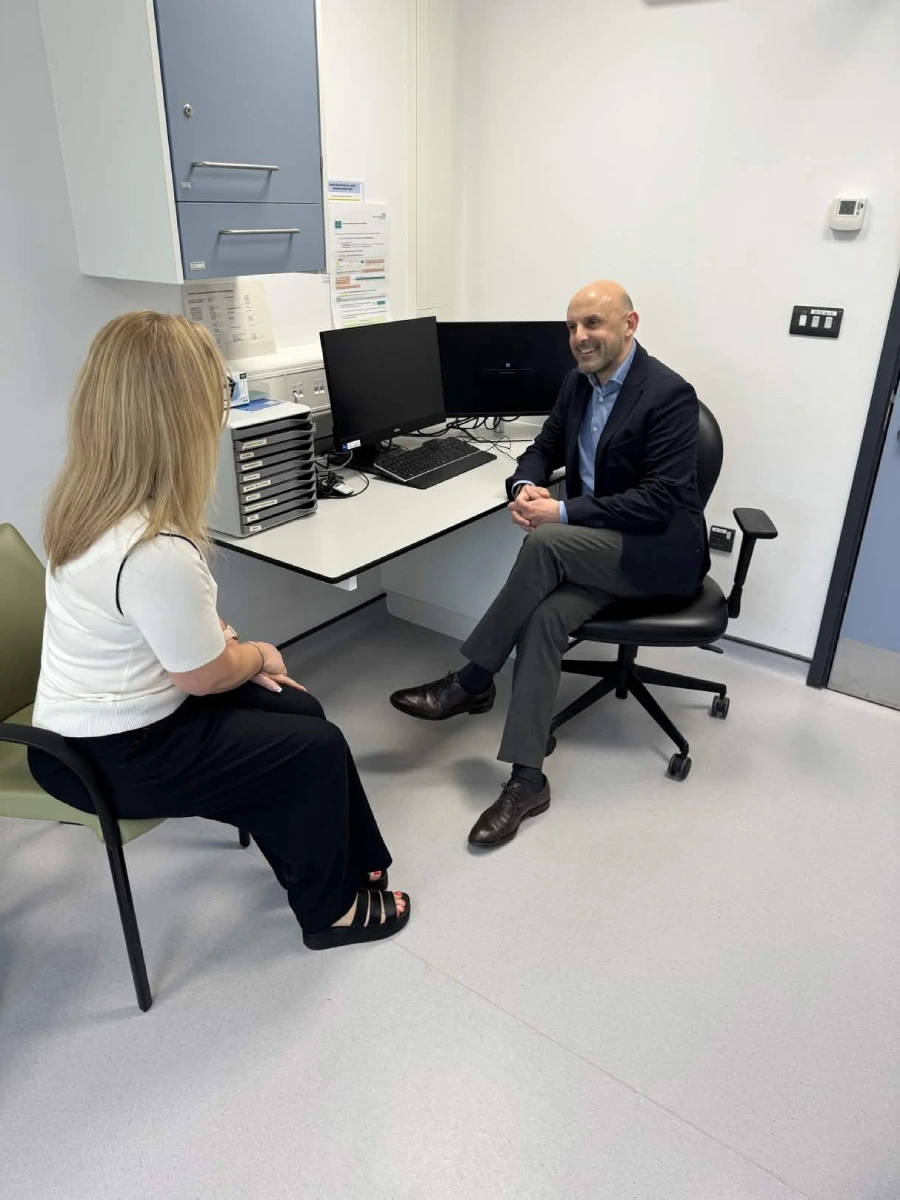
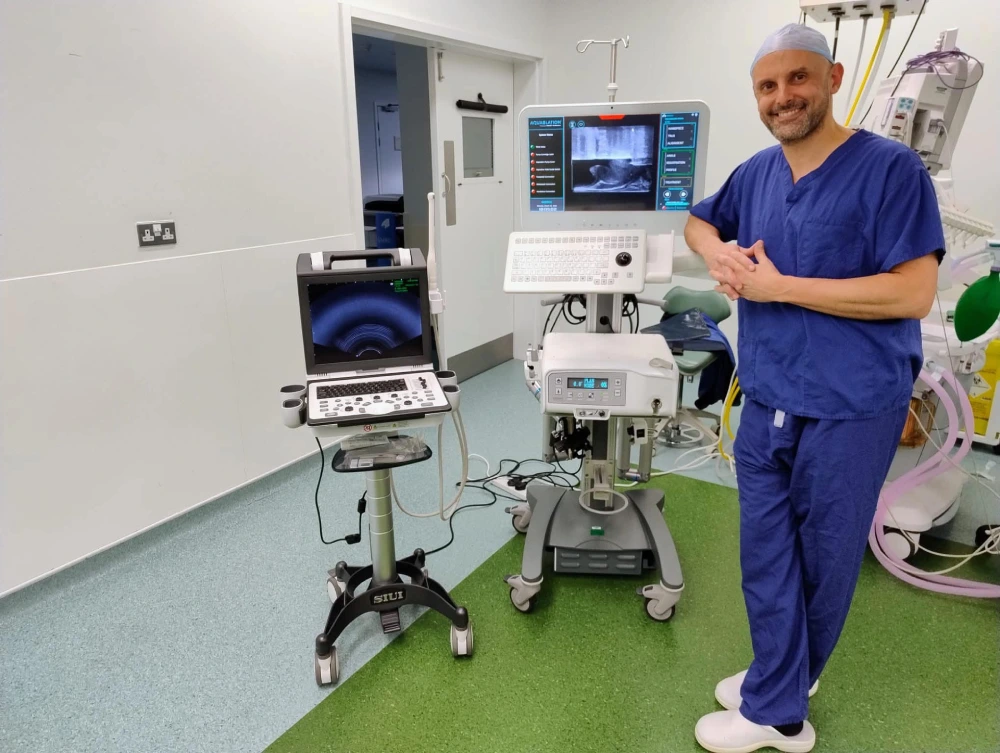
Mr Ammar Alanbuki is a consultant urologist with specialist expertise in urological and oncological conditions, including prostate cancer. He sees patients across London, Horley, and Brighton, offering expert assessment, diagnosis, and a range of treatment options tailored to each individual.
What Are the Common Prostate Cancer Symptoms?
Prostate cancer often develops slowly, and in its earliest stages, it may cause no symptoms at all. When symptoms do appear, they frequently relate to changes in urinary function, as the prostate gland sits just below the bladder and surrounds the urethra.
Common prostate cancer symptoms that men may notice include:
A need to urinate more frequently, particularly at night
Difficulty starting to urinate or a weak, interrupted flow
A feeling that the bladder has not fully emptied
Blood in the urine or semen
A burning or painful sensation when urinating
Discomfort or pain in the pelvic area, lower back, or hips
Erectile dysfunction
It is important to note that these symptoms are not exclusive to prostate cancer. Many of them are also associated with benign prostatic hyperplasia (BPH) — a non-cancerous enlargement of the prostate — or other urological conditions. Only a proper clinical assessment can determine the underlying cause.
When Should You See a Specialist About Prostate Cancer Symptoms?
If you notice any of the symptoms listed above, it is worth speaking to a doctor or specialist promptly. You do not need to wait until symptoms become severe. In fact, seeking advice early — even if the cause turns out to be something other than cancer — is always the sensible approach.
According to NHS guidance on prostate cancer, men over the age of 50 are at higher risk, and this risk increases further for men with a family history of the condition or those of Black African or Black Caribbean heritage.
You should seek urgent medical attention if you experience:
Blood in your urine
Sudden inability to urinate
Severe or unexplained pelvic or bone pain
These symptoms require prompt evaluation and should not be left unaddressed.
How Is Prostate Cancer Diagnosed?
Diagnosing prostate cancer typically involves a combination of assessments. No single test can confirm or rule out prostate cancer on its own, which is why a thorough evaluation by a specialist is important.
What Tests Are Used to Investigate Prostate Cancer Symptoms?
A consultant urologist may recommend one or more of the following investigations:
PSA blood test: Measures the level of prostate-specific antigen in the blood. Elevated levels may indicate prostate cancer, though other conditions can also raise PSA levels.
Digital rectal examination (DRE): Allows the clinician to feel the prostate gland for any abnormalities in size or texture.
MRI scan: Provides detailed imaging of the prostate to identify suspicious areas.
Prostate biopsy: A small tissue sample is taken for laboratory analysis to confirm whether cancer cells are present.
Mr Ammar Alanbuki takes a thorough, patient-centred approach to assessment, ensuring that each person receives a clear explanation of their results and the options available to them.
What Are the Risk Factors for Prostate Cancer?
While prostate cancer symptoms may not always be present in the early stages, understanding your personal risk can help you make informed decisions about screening and monitoring. Key risk factors include:
Age: The risk increases significantly after the age of 50
Family history: Having a father or brother diagnosed with prostate cancer raises your risk
Ethnicity: Men of Black African or Black Caribbean heritage have a higher risk
Genetics: Inherited gene mutations, such as BRCA2, may increase susceptibility
The Prostate Cancer UK risk and symptoms guide provides further information on who may benefit from earlier or more regular monitoring.
What Happens After a Prostate Cancer Diagnosis?
A prostate cancer diagnosis does not automatically mean immediate treatment is required. Many cases of prostate cancer are slow-growing, and the most appropriate course of action depends on the stage and grade of the cancer, as well as the individual’s overall health and personal preferences.
What Treatment Options May Be Available?
Treatment decisions are made on an individual basis and may include active surveillance, surgery, radiotherapy, hormone therapy, or a combination of approaches. Mr Ammar Alanbuki offers specialist prostate surgery and has experience in robotic surgical techniques, which may be discussed as part of a personalised treatment plan.
You can find out more about prostate surgery and treatment options available through Mr Alanbuki’s practice.
Taking the Next Step
Noticing changes in your urinary health or experiencing any of the prostate cancer symptoms described above is a good reason to seek a professional opinion. Many urological symptoms have straightforward explanations, but it is always worth getting checked. Early assessment gives you the best possible information to make informed decisions about your health.
To discuss your symptoms or arrange a prostate assessment, book a consultation with Mr Ammar Alanbuki, consultant urologist serving patients in London, Horley, and Brighton. Early advice is always worthwhile — do not hesitate to reach out.