What this consultation covers
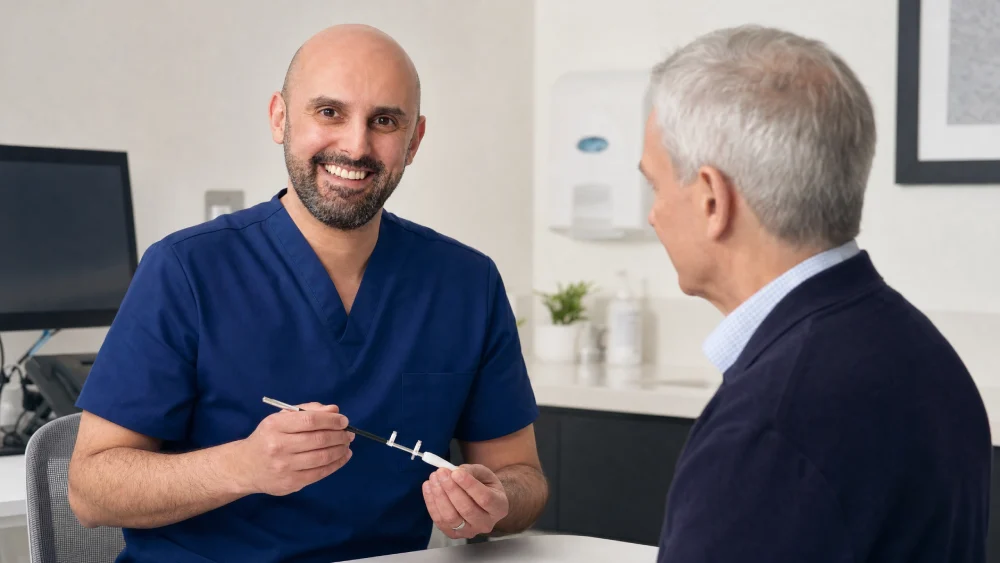
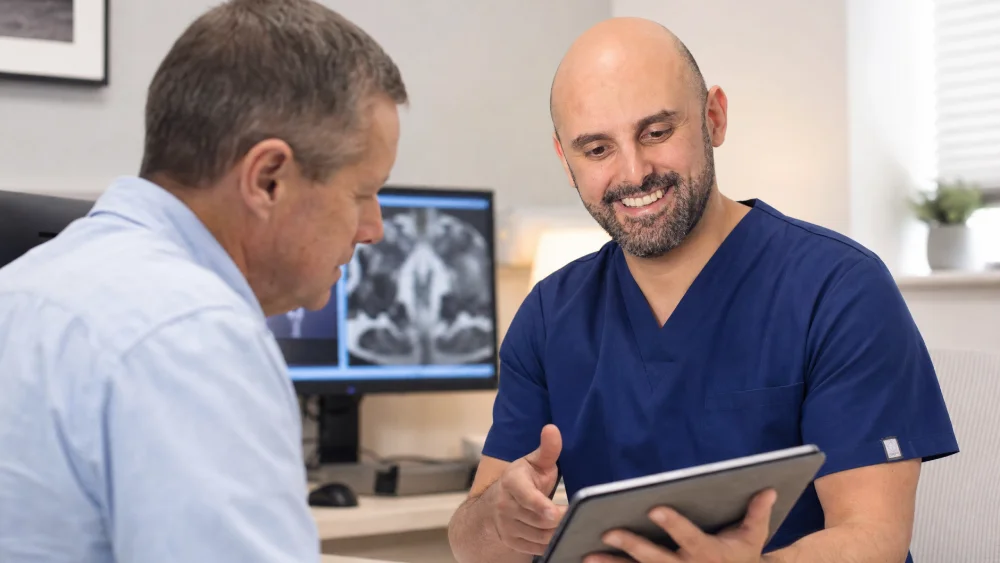
A diagnosis of prostate cancer requires careful, expert assessment before any treatment decisions are made. Not all prostate cancers require immediate surgery. Mr Alanbuki will review all available information, including your PSA level, biopsy results, MRI findings and Gleason score, to establish the most appropriate management pathway for your specific case.
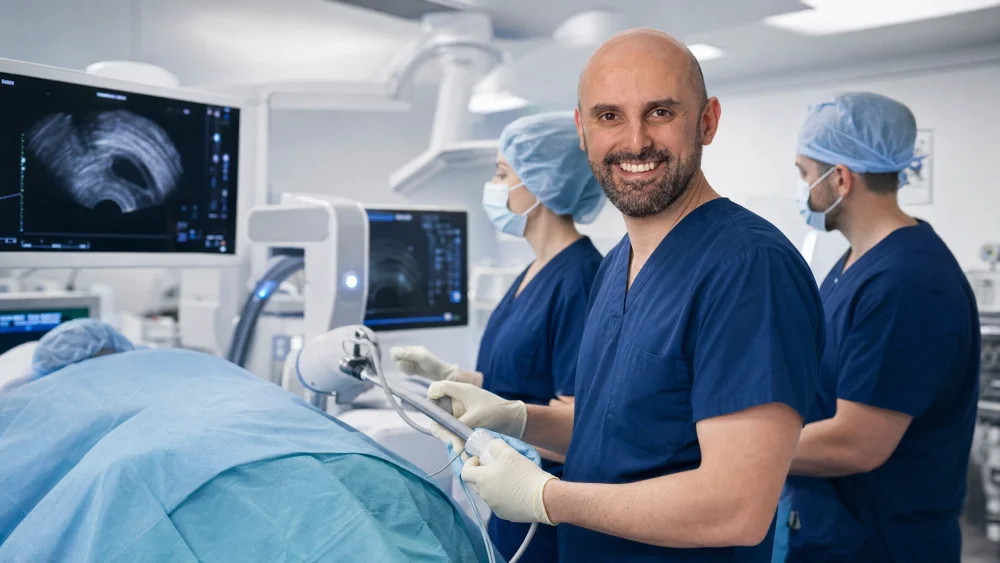
For men who require surgical treatment, Mr Alanbuki performs robotic-assisted radical prostatectomy, the removal of the prostate gland using advanced robotic technology. This approach offers superior precision compared to open surgery, resulting in less blood loss, a shorter hospital stay, faster recovery, and better preservation of urinary continence and erectile function in suitable candidates.
Full review of biopsy & MRI results
Nerve-sparing surgery discussion
Staging and risk stratification
Continence and potency outcomes
Surgical vs non-surgical options
Post-operative surveillance plan
Why choose robotic prostatectomy?
Unmatched Surgical Precision
Robotic technology provides 10× magnification and wristed instruments that far exceed the dexterity of the human hand, allowing Mr Alanbuki to work with extraordinary precision around the neurovascular bundles.
Faster Recovery
Most patients are discharged within one to two days and regain urinary control significantly faster than after open surgery.
Better Functional Outcomes
Nerve-sparing robotic technique gives the best chance of preserving erectile function post-operatively in men where oncological safety permits it.
Frequently Asked Questions
Do I need surgery if I have been diagnosed with prostate cancer?
Not necessarily. Low-risk, localised prostate cancer is often managed with active surveillance, regular PSA monitoring and MRI rather than immediate treatment. Mr Alanbuki will advise on all options including surgery, radiotherapy, hormonal therapy, and active surveillance, based on your cancer grade, stage, age, and personal preferences.
What is recovery like after robotic prostatectomy?
Most patients spend one to two nights in hospital. A urinary catheter is worn for approximately one to two weeks. Light activities can usually be resumed within two weeks, and most men return to work within four to six weeks. Urinary continence recovery varies but improves significantly over the first three to twelve months.
Will I need further treatment after surgery?
Regular PSA monitoring following surgery is standard practice. If PSA levels rise after prostatectomy (biochemical recurrence), Mr Alanbuki will discuss salvage treatment options including radiotherapy in conjunction with the wider oncology team. Many men require no further treatment following successful surgery.